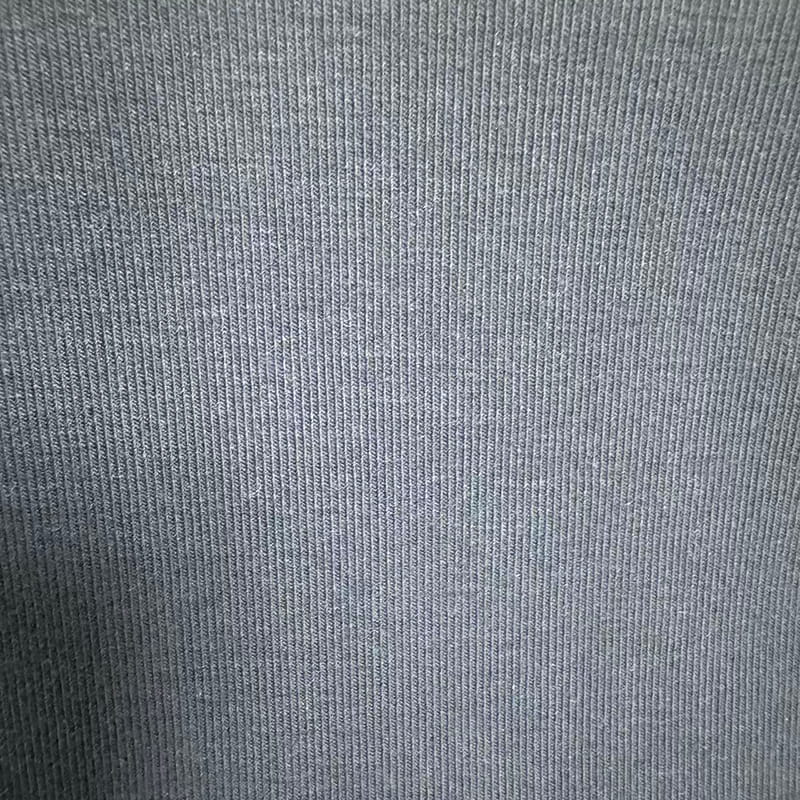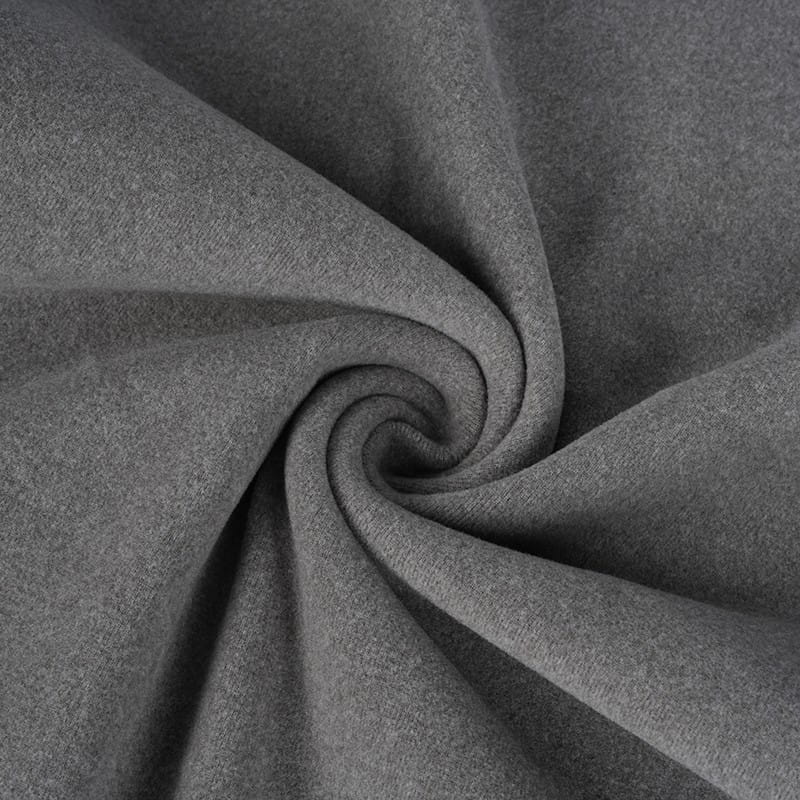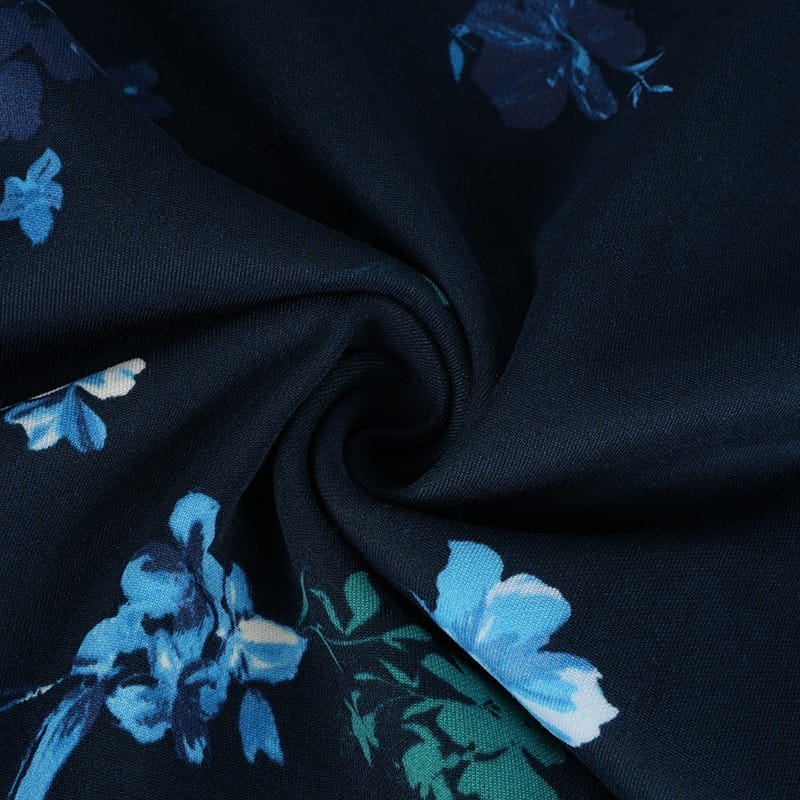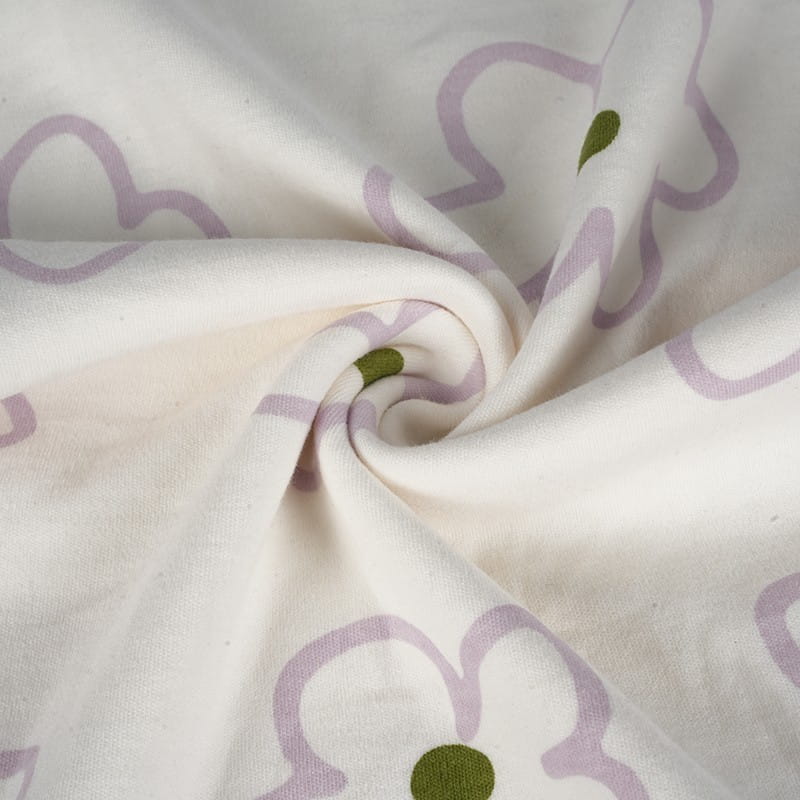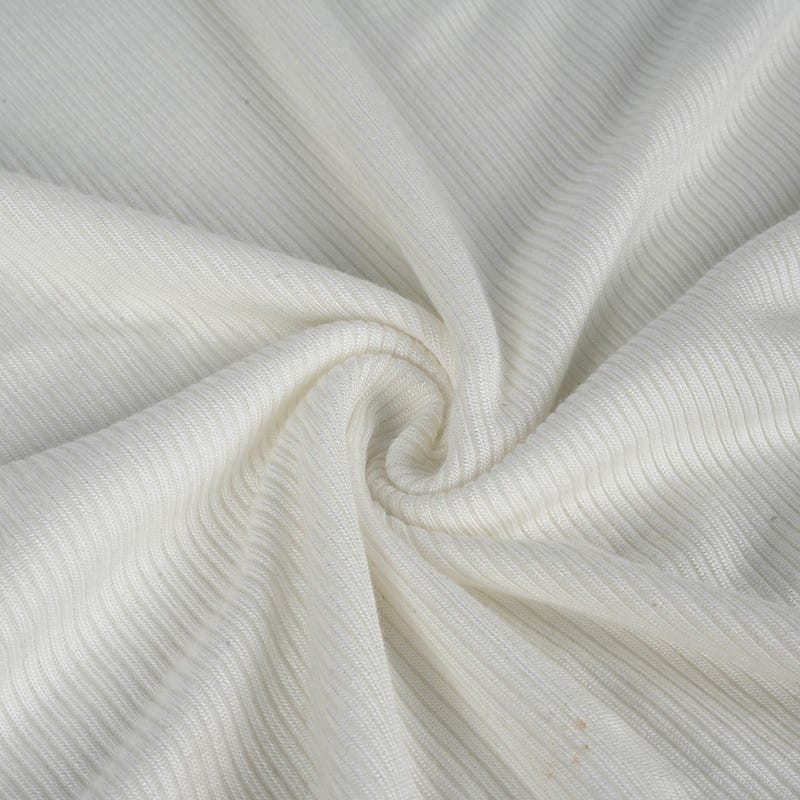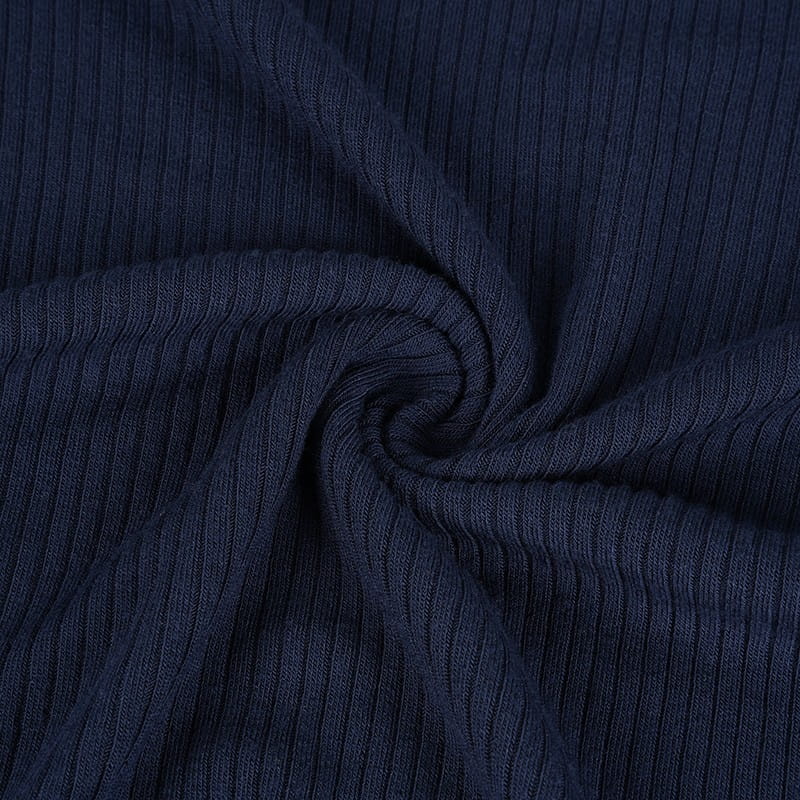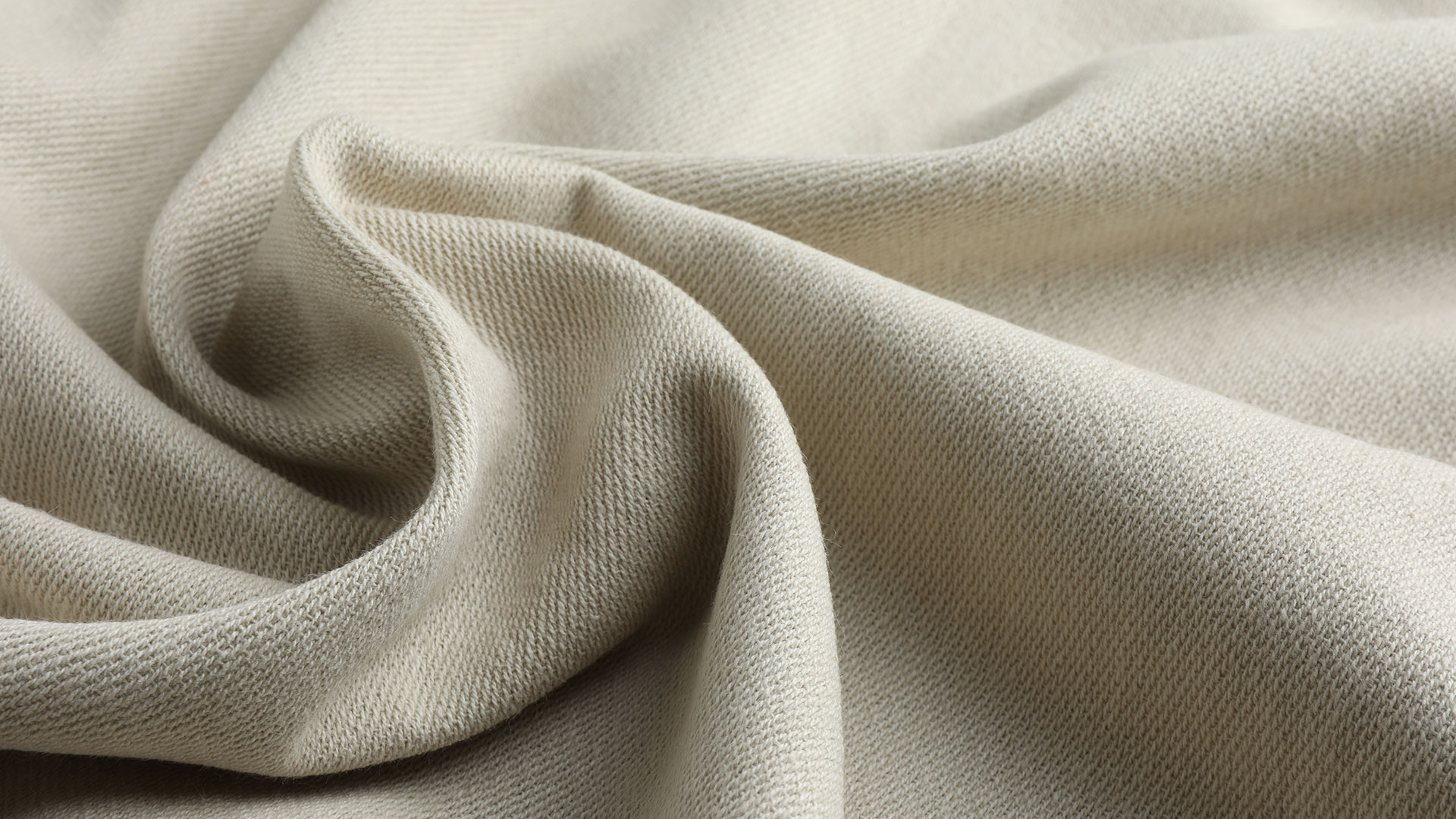

Used in apparel, home textiles & garment accessories.
Dedicated to in-depth expertise and continuous innovation in knitted textiles.
Content
A good knitted fabric is defined by a controlled loop structure, a stable finished weight and a verified response to washing and stretching. The visible surface is only a small part of the story. What decides whether a knitted fabric performs in a finished product is the loop length used on the machine, the yarn quality behind each loop, the heat and tension applied during finishing, and the test data that confirms those choices. When these four elements are documented and repeatable, a fabric approved at sampling stage will look, feel and fit the same way in bulk production.
This guide explains knitted fabric from the technical side. It shows how loop length changes weight, how different structures respond to load, how to read a property matrix, and how seasonal demand affects planning. It is written for product developers, merchandisers, garment factories and sourcing managers who want to ask a knitted fabric supplier precise questions and interpret the answers with confidence.
Every knitted fabric is a grid of loops. The vertical columns of loops are called wales, and the horizontal rows are called courses. Counting wales and courses per centimeter gives the stitch density, which is the most direct description of how tightly a fabric is knitted. A fabric with 14 wales and 18 courses per centimeter is open and light, while a fabric with 18 wales and 24 courses per centimeter is dense and firm, even when both use the same yarn.
The loops lean in a regular direction, and the way they are arranged on the front and back of the fabric creates the named structures: jersey, rib, interlock, pique, fleece and many others. Each structure has a characteristic balance of stretch, stability, thickness and surface. Because the loops are held together only by the yarn passing through them, a knitted fabric stores elastic energy when stretched, and this explains both its comfort and its tendency to relax and change dimensions if it is not properly finished.
Fabric weight can be estimated from the structure itself. A practical formula is GSM equals wales per centimeter, multiplied by courses per centimeter, multiplied by loop length in millimeters, multiplied by yarn tex, divided by 100. For example, a cotton jersey made from 30 Ne yarn (about 19.7 tex) with 14 wales, 18 courses and a loop length of 2.8 mm gives about 139 GSM. This calculation lets a developer check whether a quoted weight is consistent with the stated yarn and stitch settings, and it exposes mismatched data in a specification before samples are made.
Yarn evenness, twist level and hairiness determine how clean the fabric looks and how it ages. Uneven yarn creates visible barre, which appears as faint horizontal bands after dyeing. High twist adds strength but can produce torque, which causes the fabric to skew after washing. Low twist feels softer but may pill more easily. A balanced choice depends on the end product, and a knitted fabric factory with good yarn records can explain why a certain twist and count were selected for a specific article.
The knitting machine sets the limits of what a fabric can be. Large circular machines produce tubular fabric at high speed and are the main source of jersey, rib, interlock and fleece for apparel. Flat machines produce flat panels or shaped components and suit sweaters and accessories. Warp knitting machines use many yarns running lengthwise to form stable fabrics for sportswear, lingerie, linings and technical uses. The table below compares these routes using typical characteristics, so that a buyer can see which method is likely to deliver a particular fabric.
| Method | Fabric Form | Typical Gauge | Typical Output |
|---|---|---|---|
| Single jersey circular | Tubular | 24 to 32 needles per inch | T-shirt jersey, lightweight tops |
| Double jersey circular | Tubular | 16 to 24 needles per inch | Rib, interlock, pique |
| Terry and fleece circular | Tubular | 18 to 24 needles per inch | Sweatshirt and hoodie fabric |
| Flat knitting | Flat panels or shaped pieces | 3 to 14 needles per inch | Sweaters, collars, cuffs |
| Warp knitting | Open-width roll | 28 to 40 needles per inch | Tricot, mesh, lining, lace |
The table shows that the choice of machine is linked to the final application. A gauge of 28 needles per inch produces a fine, smooth jersey suited to premium tops, while an 18-gauge machine produces the heavier structure needed for fleece. Buyers who understand these links can screen suppliers quickly. A mill that runs only single jersey machines will not be the right source for interlock, and a mill without warp knitting capacity will not deliver stable mesh or tricot without outsourcing.
Circular machines produce tubes. These can be dyed and finished as tubes, which is gentle on the fabric and reduces edge marks, or slit and processed in open width, which allows tighter control over width and shrinkage through stentering and compacting. Tubular finishing suits light jersey where a soft hand feel matters. Open-width finishing suits programs that need precise width, low shrinkage and consistent cutting efficiency.
Loop length is set on the machine and is the quickest way to adjust fabric weight without changing the yarn. A short loop packs more yarn into each square centimeter, so the fabric is heavier, firmer and less stretchy. A long loop spreads the yarn out, so the fabric is lighter, softer and more open. The column chart below shows the effect for a 30 Ne cotton jersey, using typical finished weights at four loop lengths.
The chart shows that increasing the loop length from 2.6 mm to 3.2 mm reduces the finished weight from 168 GSM to 126 GSM, a drop of 25 percent. A small adjustment of 0.2 mm changes the weight by about 12 to 14 GSM, which is large enough to alter the opacity and hand feel of a T-shirt. This is why consistent loop length records are essential. If the loop length drifts between production lots, the weight, the width and the shrinkage will drift as well, even when the yarn and the machine are the same.
A longer loop gives the fabric more room to relax during washing, so very long loops often lead to higher shrinkage if the finishing process does not set the fabric properly. A shorter loop produces a more stable fabric but can feel stiffer. The aim is to select a loop length that gives the desired hand feel and then fix dimensions through relaxation, heat setting and compacting rather than relying on loop length alone.
Stretch is often described with vague words such as "good stretch" or "four-way stretch". A more useful description is a load and extension curve, which shows how far a strip of fabric extends under increasing load. The line chart below compares the width-wise extension of three structures, using a strip of standard width and loads from 0 to 20 newtons. A curve that rises quickly means the fabric extends easily. A curve that rises slowly means it resists extension.
At a load of 20 newtons, the rib extends about 112 percent, the single jersey about 66 percent and the interlock about 42 percent. The rib curve rises steeply at low load, which is useful for cuffs and neckbands that must slip over the body and return to size. The interlock curve stays low, which means it resists distortion and holds the shape of a garment, an advantage for kidswear and structured tops. Single jersey sits between the two. When a buyer states the required extension at a specific load, a supplier can match a structure to the requirement without guessing.
Extension is only half of the picture. After a fabric is held at a given extension for a set time and then released, it should return close to its original length. Fabrics that stay slightly longer, called growth, produce garments that bag at stress points. A well-set knitted fabric typically shows growth below 5 percent after a standard hold period. Elastane, tight loop length and correct heat setting all reduce growth.
Weight and stretch are the two properties that most quickly separate one knitted fabric from another. A scatter chart that places each structure by weight on the horizontal axis and width-wise stretch on the vertical axis gives a map of the design space. A designer can read this map to find a fabric that sits in the right zone for the intended garment, and a developer can see which neighbors are available if a first choice is not suitable.
The map shows three clear zones. In the upper middle sit stretch-oriented fabrics such as rib and jersey with elastane, with stretch between 100 and 120 percent. In the lower middle sit stable structures such as pique and interlock, with stretch near 45 to 50 percent. In the lower right sit heavy brushed fleece fabrics, with low stretch and high weight. A developer who needs a fabric with moderate weight and high stretch can see that jersey with elastane is the closest match, and a developer who needs stability at a medium weight can see that interlock and pique are the logical candidates.
A property matrix helps teams compare several fabrics across several criteria at once. In the grid below, each cell shows a rating from 1 to 5, and darker shading means a higher rating. The matrix covers five properties that matter for most knitted fabric applications: stretch, stability, softness, warmth and breathability.
The matrix makes trade-offs visible. Interlock is the only structure that scores 5 for both stability and softness, which supports its use in children's garments and premium tops. Rib scores 5 for stretch and 4 for breathability, which matches its use in fitted garments and trims. Brushed fleece scores 5 for warmth but 2 for breathability, a reminder that thick fabrics suit cold weather and may feel heavy indoors. Single jersey and pique both score 5 for breathability, so they suit warm-weather clothing. Warp tricot scores 5 for stability, which makes it suitable for linings and sportswear panels that must hold their shape.
Knitted fabric is used far beyond T-shirts. The same loop technology that gives apparel its comfort also serves home furnishing, personal accessories and technical products. A mill that supports several of these categories can help buyers consolidate sourcing and keep color and hand feel consistent across a product family.
In clothing, knitted fabric covers tops, dresses, leggings, pajamas, cardigans, sportswear and children's wear. Cotton and cotton-blend jersey serve everyday basics, polyester and nylon blends serve active categories, and viscose and modal blends serve soft, draping garments. Garment makers value knits because they allow fewer seams, simpler patterns and comfortable fit across a range of body shapes.
Fitted sheets, pillow covers, blankets, throws and soft furnishing covers increasingly use jersey and interlock structures. The stretch lets a fitted sheet hold a mattress corner without elaborate tailoring, and the soft surface suits bedding that is washed often. For these products, wash durability, low pilling and dimensional stability are important, so the property data and test results should be specified in detail.
Scarves, hats, headbands, gloves, socks and trims depend on rib, jacquard and fleece knits for stretch, grip and warmth. These items use small cut pieces, which allows factories to use fabric ends from larger programs and reduce waste.
Shaoxing Keqiao Maozan Textile Co., Ltd. focuses on the field of needle textiles, mainly engaged in the production, processing and raw material sales of various types of needle textiles. As a reliable supplier and factory of sustainable knitted fabrics, the company offers OEKO-TEX certified fabric options to meet the growing demand for quality and sustainability. The products are widely used in clothing, home textiles, clothing accessories and other scenarios. Relying on the industrial cluster advantages of Shaoxing Keqiao China Light Textile City, the company provides customers with stable textile raw material and finished product supply services.
For a buyer comparing a knitted fabric manufacturer with other options, the combination of raw material supply, processing capability and cluster access is practical. Yarn sourcing, dyeing, finishing and logistics providers are close to each other, which supports shorter sampling loops and more reliable lead times for both apparel and home textile programs.
Demand for knitted fabric follows the fashion calendar. Spring and summer collections are developed in the first months of the year, and autumn and winter collections are developed in the summer. Fabric suppliers see inquiry volumes rise before these windows, and capacity for dyeing and finishing becomes tighter. The area chart below shows an illustrative index of monthly inquiry volume, where 100 marks the peak month.
The chart shows two clear peaks, one in March and April for spring and summer lines and one in July and August for autumn and winter lines. Quiet periods fall in November and December, when many programs have already been confirmed. Buyers can use this pattern to plan. Submitting yarn and color requests two to three weeks before a peak gives the mill time to schedule dyeing capacity, while approving samples during quieter months allows more attention to testing and adjustment. Fleece and heavy knits are usually requested earlier than light jersey, because brushing and raising add processing steps.
Many brands keep a small library of approved fabrics that can be reordered each season in updated colors. Each entry should record the fiber content, structure, loop length, GSM, width, test results and approved shade references. A library reduces the sampling workload during peak months and keeps continuity between seasons.
Inspection translates quality requirements into daily practice at the factory gate. A standard approach is the four-point system, in which defects are assigned penalty points according to their size and a roll is graded by the number of points per 100 square yards. A typical acceptance limit is 20 to 28 points, and rolls above the limit are returned, graded down or cut around. The inspection table should have even lighting, a mechanism for controlled roll speed and a clear record sheet for each roll.
Each roll should carry a label that shows the article number, color, dye lot, length, weight and roll number. When the garment factory cuts from rolls of the same dye lot in sequence, shade differences between panels shrink. If a quality issue appears later, the label makes it possible to trace the cause back to a machine, a yarn lot or a finishing run, and this shortens the time needed for corrective action.
Store rolls horizontally on racks or pallets, away from direct sunlight and moisture, and keep wrapping intact until cutting. Humidity near 55 to 65 percent helps natural fibers hold a stable moisture level. Rolls stored vertically for long periods can distort at the lower end, so rotate or support them evenly when storage is longer than a few weeks.
Sustainability in knitted fabric covers fibers, chemistry, water, energy and waste. A fabric can combine recycled polyester, responsibly sourced cotton, certified cellulosic fibers and low-impact dyes, and each element should be backed by documents. OEKO-TEX certification addresses the chemical safety of the finished textile, and it is widely used for products that touch the skin. A certificate is only meaningful when it covers the exact fabric article, so buyers should match the article number and check the validity period before approving production.
Process choices also matter. Knitting uses less energy than many fabric forming routes because yarn is turned into fabric in one step, and optimized dyeing recipes can cut water and energy use per kilogram. Accurate cutting plans, use of fabric ends in accessories and recyclable packing materials reduce waste further. Recording these actions in a supplier file gives brands specific facts to share with retail partners and consumers.
Multiply wales per centimeter by courses per centimeter, then by loop length in millimeters, then by yarn tex, and divide by 100. For a 30 Ne cotton jersey with 14 wales, 18 courses and a 2.8 mm loop length, the result is about 139 GSM. The calculation gives a quick check of a quoted weight before samples are made.
Loops are held in a stretched state during knitting and finishing, and they relax when washed. Relaxation, heat setting and compacting in the mill release most of this tension before the fabric is shipped. Requesting a shrinkage report from the same production lot and applying cutting allowances based on the result keeps garment dimensions within tolerance.
Rib shows vertical ridges and stretches strongly across the width, so it suits cuffs, neckbands and fitted tops. Interlock is made from two interlocking rib layers and has a smooth surface on both sides, lower stretch and higher stability, so it suits children's wear, premium tops and garments that need to hold their shape.
Yes, if the supplier has the right machines, finishing routes and testing capability. Many mills in textile clusters offer jersey, rib, interlock and fleece that serve all three categories. Confirm the minimum quantities for each construction and the testing standards that apply to home textiles, which often need stricter wash durability.
Starting two to three weeks before the March to April and July to August peaks gives the mill time to schedule yarn and dyeing capacity. Quieter months such as November and December suit sampling and testing for the following year, and approved fabrics can then be reordered quickly when the peaks arrive.
A complete set includes the specification sheet, lab test reports for shrinkage, pilling, colorfastness and weight, the OEKO-TEX certificate number for the article where applicable, roll labels with dye lot information and a packing list. Keeping these documents on file supports quality claims, customs clearance and retailer audits.
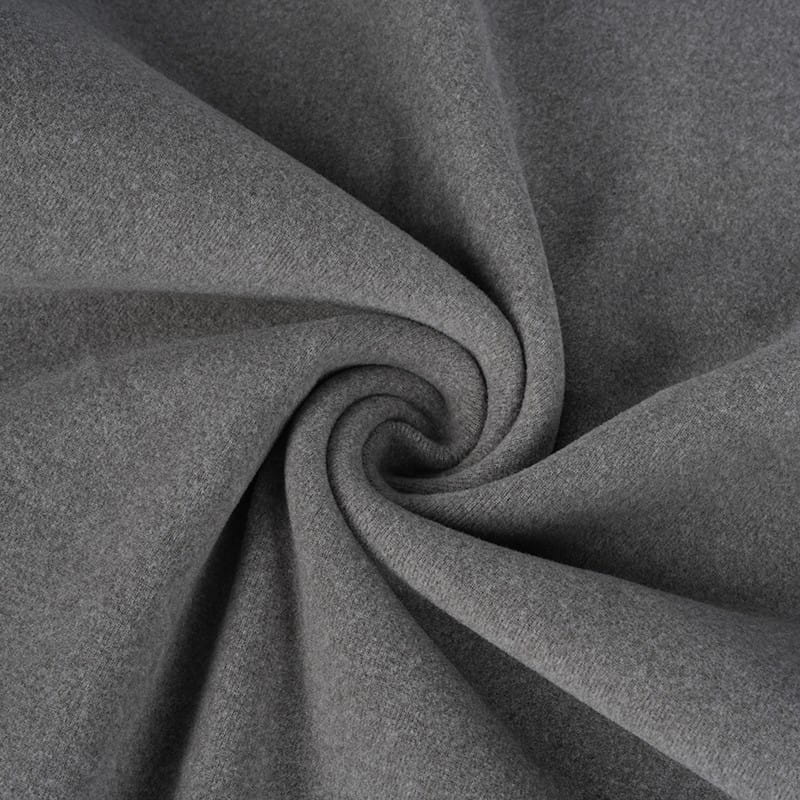
 Related Products

Dedicated to in-depth expertise and continuous innovation in knitted textiles.
Quick Links
Products
Contact Us
Tel: (86)-15988227526
Tel: (86)-15005828876
E-mail: peng@maozante.com
Add: 2nd Floor, Building 2, Baiyang Village, Anchang Street, Keqiao District, Shaoxing City, Zhejiang Province