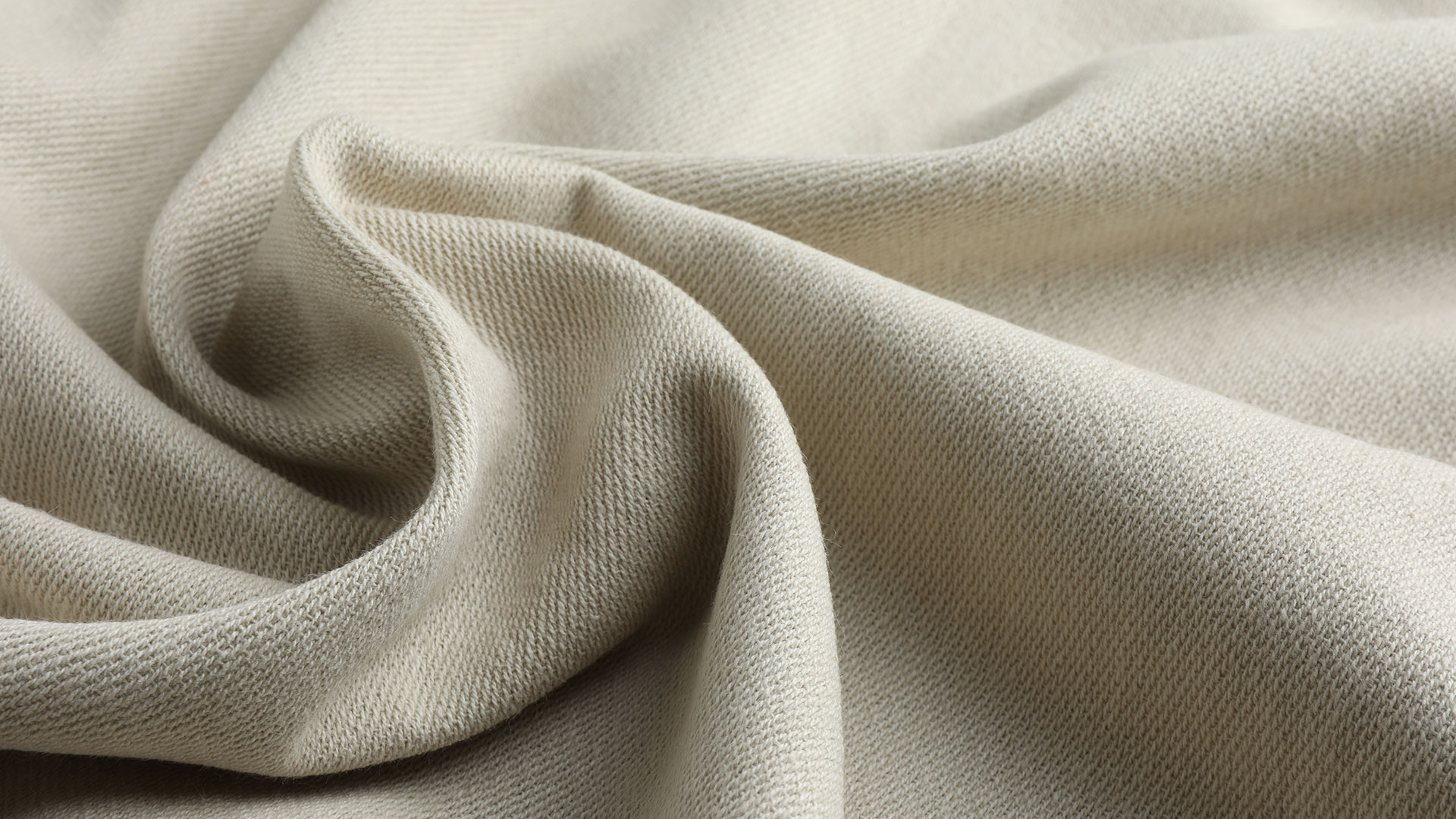
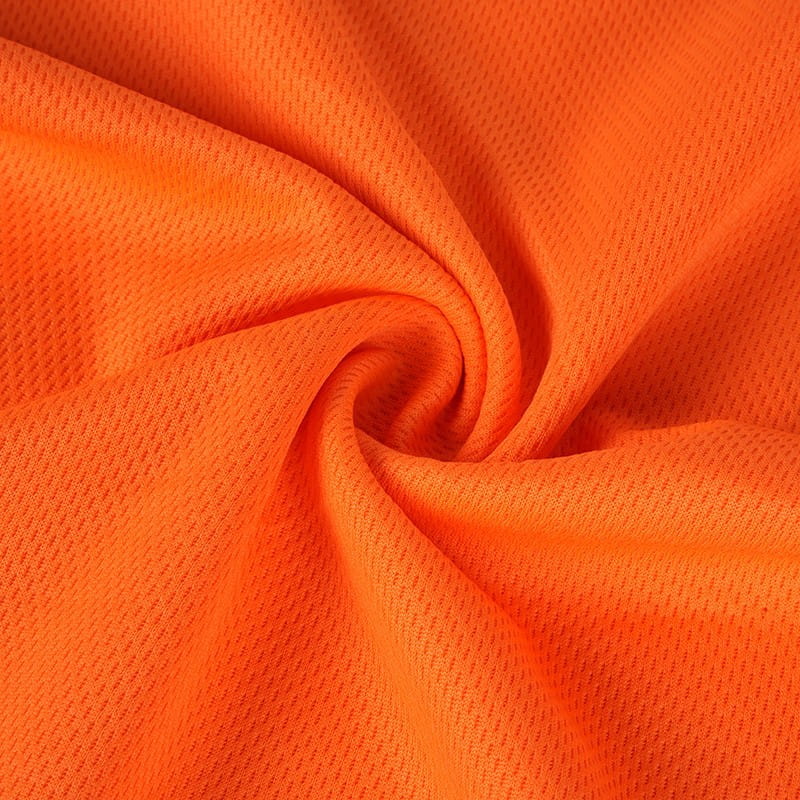
Mesh Fabric is a functional textile featuring an open-hole structure created through specialized knitting technology. The evenly distributed mesh construction allows effective air circulation while maintaining lightweight characteristics, making it suitable for sportswear, footwear materials, outdoor products, and functional textiles.
Made from 100% polyester fiber, Polyester Mesh Fabric offers good abrasion resistance, dimensional stability, and easy-care performance. The fabric maintains its structure during long-term use and provides a balanced combination of breathability and durability.
The mesh size, fabric weight, colors, and finishing treatments can be customized according to customer requirements, providing flexible solutions for different textile applications.
About Us
Shaoxing Keqiao Maozan Textile Co., Ltd.
We are a professional Breathable Polyester Athletic Mesh Fabric Manufacturer in China, specializing in the production, processing, and supply of a wide range of apparel fabrics and related textile materials. As a specialized Breathable Polyester Mesh Fabric Custom Factory, we provide flexible ODM/OEM customization services to meet the diverse needs of our customers.
Our products are widely used in apparel, home textiles, garment accessories, and other textile applications. Located in Shaoxing Keqiao, home to China Textile City, we leverage the region’s strong textile industry cluster and well-established supply chain to provide reliable raw materials, quality finished products, and stable supply services to customers worldwide.
With a commitment to quality, flexibility, and customer satisfaction, we strive to build long-term partnerships by delivering tailored textile solutions that meet different market demands.
Direct Answer: What Defines a Good Knitted Fabric
A good knitted fabric is defined by a controlled loop structure, a stable finished weight and a verified response to washing and stretching. The visi...
Short Answer: How to Select Knitted Textile Fabrics For Apparel
The right knitted textile fabrics for apparel are chosen by matching four variables to the garment: structure, fiber blend, weight and ...
Direct Answer: Which Knitted Textile Fabrics Work for Apparel?
Single jersey, rib, interlock, pique and fleece cover most apparel programs, and the right choice depends on three decisions: the stretc...
The company focuses on the knitted textile sector, specializing in the production and processing of various knitted fabrics as well as the sale of raw materials. Its products are widely used in appare...
1、Mesh Fabric Overview for Sportswear and Functional Product Buyers
Mesh fabric is a knitted or woven material with an open, net-like structure that lets air and moisture vapor pass through. In knitted form it is made from interlocking loops arranged to leave small, regular openings, which gives the fabric a light weight, a flexible hand, and a surface that releases heat from the body. Because of these traits, mesh-fabric appears in sports jerseys, running apparel, footwear uppers, bag panels, caps, and garment linings.
For brands and distributors, the key question is rarely whether to use mesh, but which mesh construction fits a given product. Hole size, yarn type, knit structure, and finishing all change breathability, stretch, and durability. An experienced athletic mesh fabric supplier can match these variables to the use case, which shortens development time and reduces rework in sampling.
This guide explains how mesh is constructed, which types are common, how they behave in different applications, and how to cooperate with a Custom Mesh Fabric Factory from the first brief to bulk delivery. It also covers comparison data, quality checks, handling guidance, and answers to frequent sourcing questions.
2、How Mesh Structures Are Built
(1) Circular Knit Mesh
Circular knitting machines produce tubular fabric with many mesh patterns, including birdseye, honeycomb, and eyelet. Needle selection and tuck stitches create the openings, and the size of the holes depends on gauge, yarn count, and stitch design. This route is common for sports jerseys and training tops because it yields wide, continuous fabric with a soft hand.
(2) Warp Knit Mesh
Warp knitting machines use parallel yarns that loop along the length of the fabric. The result is a stable net structure with good resistance to running and unraveling, which suits power mesh, linings, and bag panels. Warp knit mesh can include elastane for stretch and recovery in close-fitting products.
(3) Spacer and Three Dimensional Mesh
Spacer mesh has two outer layers joined by connecting yarns, which creates a cushioned structure with an air channel between the layers. This build is used where airflow and light padding both matter, such as shoe uppers, backpack back panels, and seat covers. The connecting yarns also help the fabric recover its thickness after compression.
(4) Fibers and Finishing
Polyester and nylon are the main fibers for athletic mesh, often blended with elastane. Polyester tends to dry quickly because it absorbs little water, and nylon offers good abrasion behavior. Finishing steps such as heat setting, brushing, and functional treatments adjust width stability, hand, and surface behavior.
3、Common Mesh Fabric Types and Their Characteristics
Mesh types are grouped by structure and hole pattern. Choosing the right group at the start reduces the number of sample rounds. The table below summarizes constructions used in sports and functional products.
Common mesh fabric types, structure, handle, and frequent end uses
Type
Typical Structure
Handle
Frequent End Uses
Birdseye mesh
Circular knit with small tuck holes
Soft, fine texture
Jerseys, training tops
Honeycomb mesh
Hexagonal open pattern
Light, airy
Sportswear, panels
Eyelet mesh
Larger regular openings
Open, very light
Ventilation zones, caps
Power mesh
Warp knit with elastane
Firm, elastic
Support panels, linings
Spacer air mesh
Two layers with connecting yarns
Cushioned, resilient
Footwear, backpack panels
(1) Breathability by Type
This horizontal bar chart compares the airflow potential of five mesh types on a qualitative reference scale from 0 to 5. The scale is a sourcing aid built on typical construction behavior and is not a laboratory measurement. Eyelet mesh rates highest because its larger openings give the most direct air path through the fabric. Spacer air mesh rates well because the gap between its two layers allows air to move even when the outer layers are covered. Power mesh rates lower because its denser structure and elastane content favor support over openness. Buyers can use the chart to shortlist constructions, and an athletic mesh fabric supplier can then provide swatches for hands-on comparison.
4、Open Area and Structural Stability
Hole size is the main trade-off in mesh development. Larger openings raise airflow, yet they also leave fewer yarns to carry load and resist snagging. Developers therefore balance open area against durability for each product, and the right point differs between a lightweight cap panel and a hard-wearing backpack panel.
The line chart shows how airflow and structural stability move in opposite directions as open area increases. Airflow climbs steadily because larger openings leave less material in the air path. Structural stability falls because fewer yarn crossings carry tension and resist snagging. The two lines cross in the middle range, which is where many sports products find a workable balance. The values are qualitative reference points for planning and do not replace test results. A Custom Mesh Fabric Factory can adjust gauge, yarn count, and stitch pattern so a product lands at the right point on this curve.
5、Application Scenarios and Selection Points
(1) Where Mesh Fabric Is Used
Mesh serves wherever heat and moisture need an exit path. Sports jerseys and running tops use it for body cooling, footwear uppers use it for foot ventilation, backpack and bag panels use it for airflow against the back, and caps use it for lightweight vented crowns. The chart below compares suitability across five categories.
The column chart ranks five product categories by how closely mesh fabric matches their usual requirements, on a qualitative scale from 0 to 5. Sports jerseys rate highest because airflow, light weight, and comfortable stretch all matter in this category. Footwear and linings follow, since both depend on ventilation and a smooth feel against the skin. Bags and caps rate lower because they place greater weight on shape retention and abrasion behavior, which sets limits on how open the mesh can be. These ratings give a starting point for range planning, and each project still needs real sample testing. A China ODM Mesh Fabric Factory can propose constructions for each category after reviewing the product brief.
(2) Key Selection Points
Fiber content: polyester, nylon, and elastane blends each change drying speed, abrasion behavior, and stretch.
Hole size and pattern: openings set the balance between airflow and snag resistance.
Fabric weight: lighter weights suit jerseys and caps, while heavier weights suit bags and footwear.
Stretch and recovery: elastane content decides how well a garment keeps its shape after movement.
Dyeing and printing: open structures take color differently from dense knits, so shade matching needs early sampling.
Bonding and lamination needs: some products join mesh to foam or film, which calls for a stable, even back face.
6、Working With a Mesh Fabric Factory in China
(1) Why Keqiao Is a Practical Sourcing Base
Shaoxing Keqiao is widely known as a major center of textile trade and processing in China. Knitting, dyeing, printing, and finishing resources sit close together, and the nearby China Light and Textile Industry City gathers a wide range of fabrics for review. For a buyer, this concentration shortens the distance between a sample request and a physical swatch. Many overseas teams that search for a mesh fabric factory in China begin with this region for that reason.
(2) About Shaoxing Keqiao Maozan Textile Co., Ltd.
Shaoxing Keqiao Maozan Textile Co., Ltd. works in the knitted textile sector with production, processing, and raw material sales under one roof. The company handles knitted fabrics, finished knitted products, and textile raw materials used in apparel manufacturing, home textiles, and garment accessories. Its location in Keqiao gives direct access to upstream yarn sources and downstream processing partners, which supports quick responses to market changes and custom requests. The team follows a specialized approach, focusing on defined niches and on steady quality and service instead of broad expansion. For customers who need mesh knit development, this means a working relationship built around clear communication and consistent supply.
(3) A Typical ODM Development Path
In an ODM arrangement the supplier contributes design and technical input and does not only follow a finished specification. A China ODM Mesh Fabric Factory usually moves through the following steps.
Brief review covering end use, target weight, fiber direction, hole pattern, and color range.
Proposal of yarn, structure, and finishing options, often with reference swatches.
Lab dip and strike-off for color and print approval.
Sample yardage for pattern cutting, fitting, and wash testing at the buyer side.
Bulk production with in-process inspection and lot records.
Packing, labeling, and shipment arrangement to match the buyer logistics plan.
A Custom Mesh Fabric Factory also keeps development records, so a later reorder can reproduce the approved hole pattern, weight, and shade with less back and forth. Buyers who keep their own reference swatches next to these records usually see faster repeat orders.
7、Mesh Knit Compared With Other Fabric Constructions
Buyers often compare mesh with plain jersey and plain woven fabric before choosing a base for a new product. The radar chart below places the three constructions on five attributes: breathability, quick drying, stretch, snag resistance, and opacity.
The radar chart shows that mesh knit leads on breathability and quick drying, which explains its wide use in sportswear and footwear. Plain jersey sits in the middle on most attributes and reaches the highest stretch value. Plain woven fabric shows the strongest snag resistance and opacity, though it offers limited stretch and airflow. Mesh trades some opacity and snag resistance for ventilation, so product design should account for that, for example by placing mesh in vent zones and using denser fabric elsewhere. The scores are qualitative reference values from typical construction behavior, and individual fabrics will vary. An athletic mesh fabric supplier can provide all three constructions as swatches so the comparison can be checked by hand.
8、Quality Checks and Handling Guidance
(1) Checks During Production
Mesh quality depends on even hole formation and stable processing. Common checks include fabric weight per square meter, usable width, hole size consistency, dimensional change after washing, color fastness to rubbing and washing, and snagging or pilling behavior. Visual inspection against a light background helps reveal missed stitches, uneven openings, and shade variation between rolls. Recording results by lot makes it easier to trace the cause of any difference between shipments.
(2) Cutting and Sewing Handling
Open structures can shift during spreading, so light tension and sufficient rest time before cutting help keep pattern pieces accurate. Sharp blades and fine needles reduce edge fraying and snagging. Ballpoint needles are often chosen for knit mesh because they pass between loops instead of cutting them, and stitch settings should be tested on a small piece before bulk sewing.
(3) Care and Storage
Finished products last longer with gentle washing, a mesh laundry bag to limit snagging, and low heat drying. Rolls of raw fabric should be stored flat or on a tube in a dry space, away from direct sunlight and moisture. Care labels based on the fiber content help end users keep the open structure and surface in good condition.
9、Frequently Asked Questions
(1) What is the difference between knitted mesh and woven mesh?
Knitted mesh is made from interlocking loops, so it stretches and recovers, while woven mesh is made from crossing warp and weft yarns and has less give. Knitted mesh is common in sportswear because it moves with the body, and woven mesh is used where a stable, flat structure matters.
(2) Which fibers are common in athletic mesh fabric?
Polyester and nylon are the main choices, often blended with elastane for stretch. Polyester absorbs little water and dries quickly, while nylon offers good abrasion behavior and a soft hand.
(3) Can a Custom Mesh Fabric Factory match my reference swatch?
A factory can study the swatch for fiber, weight, structure, and hole pattern, then propose a close development match. Sending the swatch with a short note on end use and target handle speeds up the first sampling round.
(4) How do I choose an athletic mesh fabric supplier?
Look at product range, sampling speed, communication clarity, and records for repeat orders. Requesting swatches and reviewing how the team answers technical questions gives a practical view of working style before a larger order begins.
(5) Why use a mesh fabric factory in China for ODM projects?
China has a connected supply chain from yarn to finishing, and Keqiao concentrates many of those links in one area. This helps development teams adjust fabric details quickly and compare several options during the sampling stage.
(6) How should I prepare a sample request for mesh-fabric?
State the product type, target weight, fiber direction, width, hole pattern, color references, and expected order timing. Adding photos of the intended product helps the supplier choose a suitable structure and finish.
10、Final Notes for Mesh Fabric Sourcing
Mesh fabric rewards a clear brief. Fiber, hole pattern, knit structure, and finishing all shape the final airflow and durability, so firm targets at the start lead to fewer revisions later. A knowledgeable athletic mesh fabric supplier can translate a product idea into a workable specification, and a Custom Mesh Fabric Factory can adjust details through sampling until the fabric matches the plan. Teams looking for a mesh fabric factory in China will find that Keqiao offers a concentrated base for this work, and Shaoxing Keqiao Maozan Textile Co., Ltd. welcomes inquiries about mesh knit development for apparel and functional product projects.