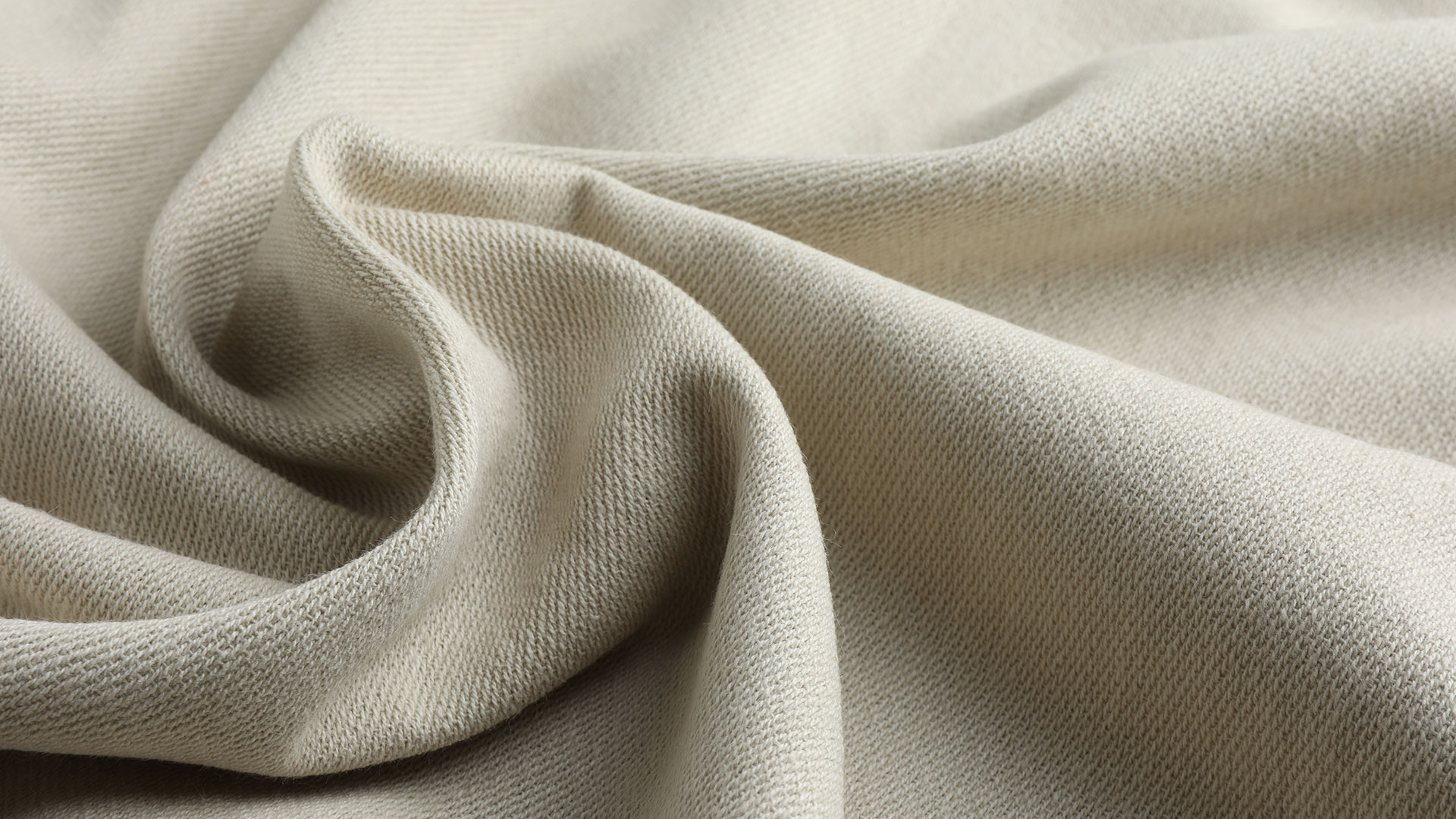
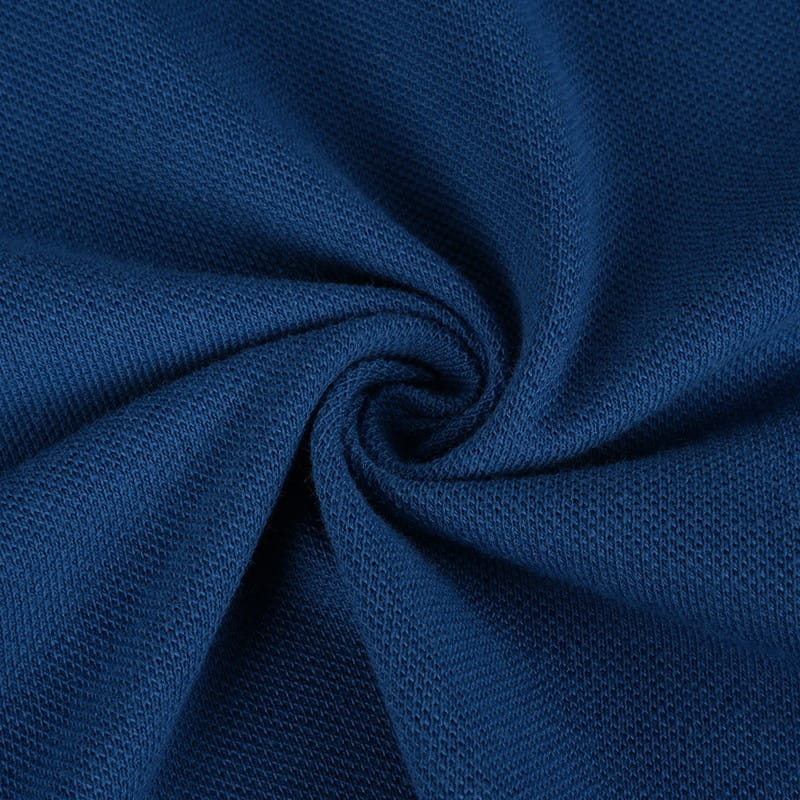
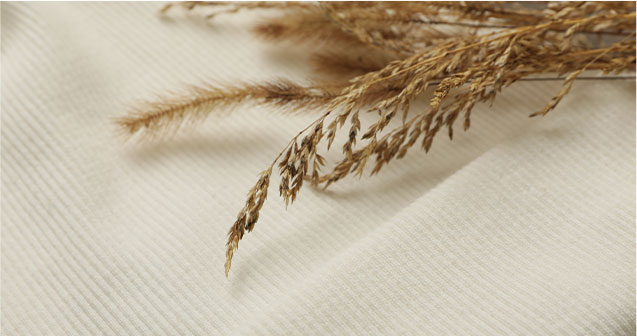
As a Single-Knit Pique manufacturer in Keqiao, Shaoxing, Maozan Textile knits, processes and supplies single-sided pique fabric for polo programmes, uniforms, casual tops and athleisure. Our range covers cotton and blended single-knit pique, including stretch versions and OEKO-TEX certified options, delivered by the roll to garment factories, brand sourcing teams and distributors.
The construction is built on a single-sided pique stitch: a fine raised texture over a light single-knit ground, which gives breathability, a crisp hand feel and noticeably more body than plain jersey. We work from the end product back, so the shirt silhouette, target weight, stretch direction and colour standard decide the yarn, the knit structure and the finishing route.
Our Single-Knit Pique Range
As a Single Knit Pique Supplier, we match product configuration to the application, operating limits, interfaces and acceptance criteria defined for each project.
The range is positioned as a lightweight, breathable face fabric rather than a heavy structured knit. It carries a clean, fine surface texture that reads well in solid shades and holds its shape through cutting, sewing and washing when the working point is set correctly.
- Solid single-knit pique — the core base for polo bodies, plackets and short-sleeve tops.
- Stretch single-knit pique — elastane added where the garment needs recovery through the body and sleeve.
- Cotton and cotton-rich qualities — for breathability and a natural hand feel in uniform and retail programmes.
- Synthetic and regenerated blends — where colour retention, faster drying or a softer drape matters most.
- Colour and surface variants — solid dyeing, melange yarns and stitch adjustments that change the size of the pique cell.
Where Single-Knit Pique Sits in the Knitted Range
Selection usually comes down to how much body, density and stability the end garment needs. The table below sets our pique offer against the neighbouring knit families we run.
| Fabric |
Knit structure |
Character |
Typical fit |
| Single-Knit Pique |
Single needle bed, pique stitch |
Light, breathable, fine raised surface, crisp hand |
Polos, casual tees, uniforms, team and event wear |
| Double-Knit Pique |
Two needle beds, interlocked pique |
Denser, more stable, holds a stronger body |
Structured polos, heavier silhouettes, outerwear layers |
| Single Jersey |
Single needle bed, plain knit |
Smooth face, lighter, softer drape |
T-shirts, base layers, linings, print grounds |
| Pique Fabric |
Pique family, single and double bed |
Textured cell surface across a range of weights |
Polo and knitwear programmes across seasons |
Application Fit by End Product
Single-knit pique answers garments that must stay cool on the body while keeping a defined, presentable surface. It balances breathability with shape retention, which is why it dominates spring and summer polo and uniform ranges.
- Polo shirts — the body stays crisp, the collar and placket area cut cleanly, and the surface texture reads refined rather than flat.
- Casual tees and athleisure tops — lighter than double-knit pique, with enough substance to avoid clinging.
- School uniforms and team wear — consistent shade and repeatable hand feel across repeat orders and size runs.
- Corporate and event apparel — a stable ground for embroidery, screen print and small logo applications.
- Home textiles and garment accessories — where a breathable textured knit is needed outside the main apparel line.
Construction and Specification Variables
Every pique quality is fixed on a working point: yarn, gauge, stitch, weight, width and finishing are agreed together before knitting starts. The variables below are the ones that most often decide whether the fabric behaves correctly on the cutting table and in the finished garment.
| Variable |
What we agree with you |
Effect on the garment |
| Fiber composition |
Cotton, CVC, polyester, viscose or modal base, with elastane where required |
Hand feel, moisture behaviour, drying speed, colour depth |
| Yarn count and gauge |
Yarn number and knitting gauge matched to the target weight |
Surface fineness and the size of the pique cell |
| Weight and width |
Target GSM with tolerance, open width or tubular, usable width |
Cutting yield, marker planning, garment weight |
| Stretch and recovery |
Stretch direction and level, recovery after extension |
Comfort in wear, shape retention after laundering |
| Colour and fastness |
Shade standard, light and washing fastness targets |
Shade continuity across repeat orders and panels |
| Finishing and stability |
Shrinkage limits, hand feel, surface appearance, roll form |
Dimensional behaviour during cutting and washing |
OEM/ODM Configuration and Sampling
We run flexible OEM and ODM cooperation: a buyer can supply a full specification, or start from a reference garment and let us propose a construction. Development usually moves from yarn and structure selection to a lab dip or hand sample, then to a bulk dyeing and finishing plan once the hand feel and shrinkage are accepted.
Small-batch sampling and quick repeat orders are part of how we work, which keeps trial runs manageable before a seasonal commitment. Where a programme continues across seasons, we hold the agreed working point so re-orders match the approved sample rather than drifting in weight or shade.
Quality Control and Acceptance
Quality management runs through the whole flow: inspection after each process, then final inspection of the finished roll against the customer's requirements and the applicable international standards. Our laboratory is equipped for the routine fabric testing that a pique programme depends on.
- Incoming yarn checking before knitting.
- In-process inspection after knitting, dyeing and finishing stages.
- Finished-goods inspection for weight, width, shade, surface and hand feel.
- Laboratory testing equipment for the parameters agreed with the customer.
- OEKO-TEX certified fabric options available for programmes with restricted-substance requirements.
Information We Use to Configure Your Solution
Our proposal is based on the working point, material and production target. The following inputs let us quote a single-knit pique quality that will not need to be re-engineered at bulk stage.
- End product: polo, uniform shirt, tee, athleisure top or accessory, with the garment silhouette if available.
- Composition direction: cotton, CVC, polyester, viscose/modal, or a blended preference.
- Target weight and width: GSM with tolerance, open width or tubular, usable width after finishing.
- Stretch requirement: none, two-way or four-way, with recovery expectations.
- Colour standard: Pantone or physical swatch, plus light and washing fastness targets.
- Hand feel and surface: reference sample or garment, pique cell size, softness level.
- Shrinkage limits and test list: the standards the finished fabric must meet.
- Packing and order data: roll length and diameter, tube or flat fold, labelling, quantity and delivery destination.
Packaging, Documentation and Ongoing Supply
Rolls are wound to the agreed length and diameter, wrapped, labelled and packed to the buyer's instruction so they arrive ready for the cutting room. Shipment documentation follows the commercial terms agreed for the order, and product data is issued together with the approved sample reference.
We answer inquiries within 12 hours on weekdays and stay with the programme through repeat orders, keeping composition, weight, shade and hand feel consistent. Service support covers sampling, re-order coordination and the practical questions that come up during bulk production, cutting and finishing.
Single-Knit Pique Questions
What constructions does your single-knit pique cover?
We knit the single-sided pique stitch in cotton and cotton-rich qualities, polyester and synthetic blends, and regenerated fibers such as viscose and modal, with elastane added where the garment needs stretch and recovery. The pique cell size, weight and surface can be adjusted within the construction.
Can the fabric be supplied to a custom weight, width and colour?
Yes. GSM, usable width, stretch level, shade and hand feel are set against your garment requirement, and we confirm them on an approved sample before bulk. Colour is matched to a Pantone reference or a physical swatch, with fastness targets agreed at the same time.
How do you handle sampling and approval?
Development starts from your specification or reference garment. We then move through structure and yarn selection to a sample and lab dip, and only release bulk once the hand feel, shrinkage and appearance are accepted. Small-batch sampling and quick re-orders are supported.
What quality checks apply before shipment?
We apply full-process quality management with inspection after each production stage and a final inspection of finished goods against your requirements and international standards. Our laboratory carries the testing equipment needed for the parameters agreed for the order.
Are OEKO-TEX certified options available?
Yes. We supply OEKO-TEX certified fabric options for programmes where restricted substances must be controlled, alongside our standard apparel qualities.
What is the difference between single-knit and double-knit pique?
Single-knit pique is made on one needle bed, so it is lighter, more breathable and slightly crisper, which suits polo shirts and summer uniforms. Double-knit pique is interlocked on two needle beds, giving a denser and more stable body for heavier, more structured silhouettes.