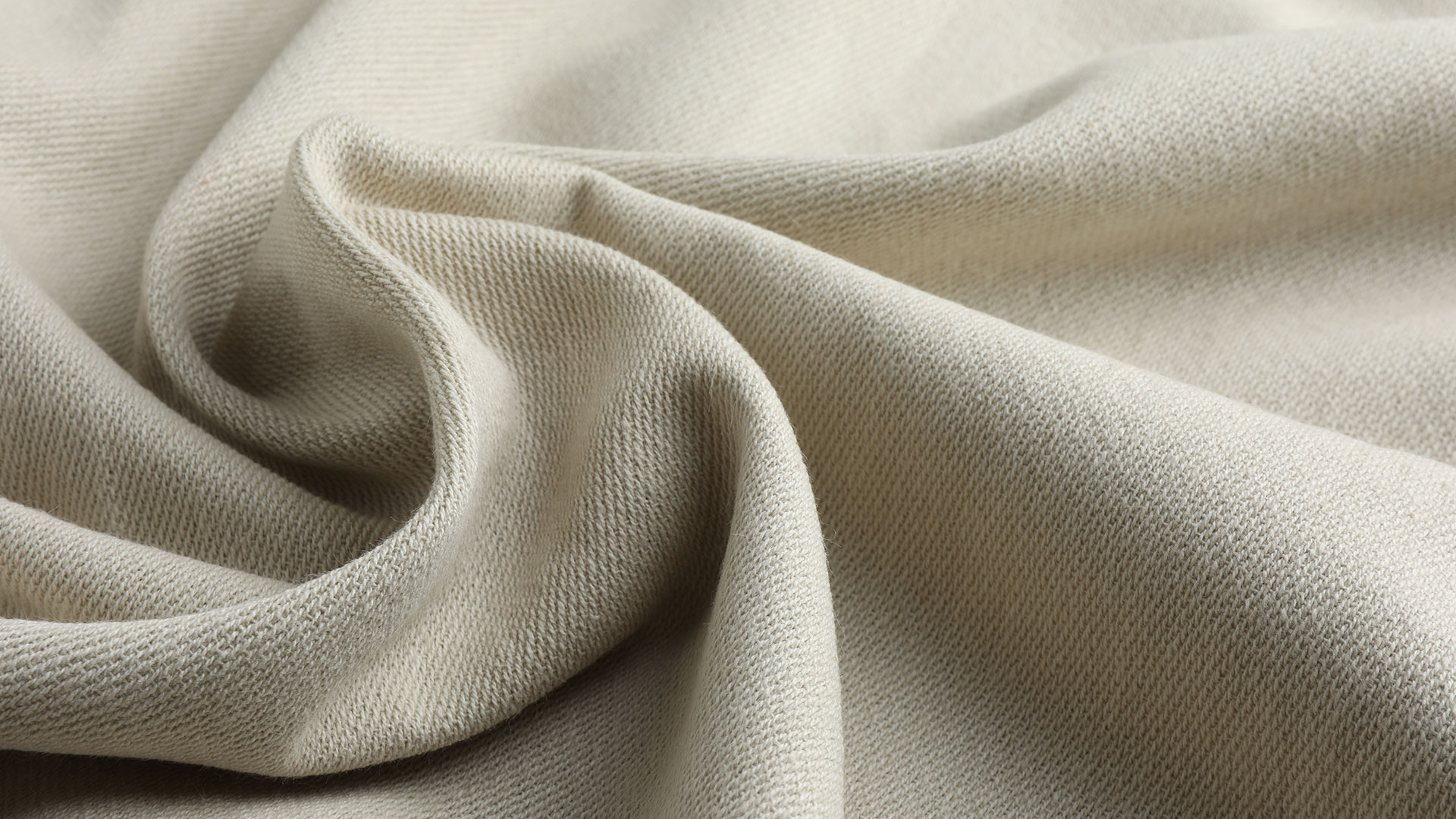

Used in apparel, home textiles & garment accessories.
Dedicated to in-depth expertise and continuous innovation in knitted textiles.
Content
Single jersey, rib, interlock, pique and fleece cover most apparel programs, and the right choice depends on three decisions: the stretch the garment needs, the weight in grams per square meter (GSM) that suits the season, and the fiber that matches the end-use. Knitted textile fabrics are made from interlocking loops of yarn rather than from crossing warp and weft threads, and that loop structure is what gives knit garments their stretch, recovery and soft hand feel. For T-shirts, base layers and loungewear, a 140 to 180 GSM cotton or cotton-blend single jersey is the usual starting point. For polo shirts, a pique structure of 180 to 220 GSM offers better surface texture and shape retention. For hoodies and sweatshirts, a brushed fleece of 260 to 320 GSM gives warmth without excessive bulk.
Buyers who source knitted fabric in volume should also check four quality points before approving a bulk order: length-wise shrinkage below 5 percent after washing, a pilling grade of 3.5 or higher, colour fastness to washing of grade 4 or higher, and a valid OEKO-TEX certificate for the exact fabric. These four checks catch most of the problems that cause returns, cutting-room waste and customer complaints in finished garments.
This guide explains how knitted textile fabrics are built, how each construction behaves in apparel, how to read the numbers on a specification sheet, and how to evaluate a knitted textile fabrics supplier. It is written for apparel brands, garment factories, private-label developers and sourcing teams who need practical criteria rather than general descriptions.
A knitted fabric is a network of connected loops. Each loop is pulled through the loop below it, and the result is a flexible structure that can extend in both directions and then return toward its original shape. A woven fabric, in contrast, holds its yarns at right angles and has very little built-in give. This is the main reason that knitted textile fabrics dominate categories where comfort and movement matter, such as T-shirts, underwear, sportswear, socks, loungewear and children's clothing.
Three variables determine how a knitted fabric looks and performs: the yarn, the stitch structure and the finishing process. The yarn sets the basic fiber character, such as softness, moisture absorption or strength. The stitch structure sets the stretch, thickness, stability and surface appearance. The finishing process, which includes dyeing, brushing, heat setting and compacting, sets the final hand feel, shrinkage and colour. A change in any one of these three variables changes the garment, so a specification sheet should always describe all three.
Loop length is the length of yarn in one stitch, usually measured in millimeters. A shorter loop length produces a denser, firmer and heavier fabric, while a longer loop length produces a lighter and more open fabric. For a 30-count cotton single jersey, a typical loop length falls between 2.6 and 3.0 mm. Changing the loop length by only 0.1 mm can move the finished weight by roughly 5 to 8 GSM and can change the shrinkage behavior noticeably. For this reason, experienced factories record loop length for each production lot and keep it consistent between sample and bulk.
Yarn count describes how fine the yarn is, and machine gauge describes how many needles sit in one inch of the knitting cylinder. Finer yarns are matched with higher gauges. A fine 40-count combed cotton yarn on a 28-gauge machine produces a light, smooth jersey suited to premium T-shirts and innerwear, while a 20-count yarn on an 18 to 20 gauge machine produces a firmer fabric suited to workwear tops and sweatshirts. Matching count and gauge correctly avoids visible needle lines, uneven surfaces and weak spots that appear after dyeing.
In weft knitting, a single yarn runs across the width of the fabric and forms loops row by row. This method produces most apparel fabrics, including jersey, rib, interlock, pique and fleece. In warp knitting, many yarns run lengthwise and form loops together, which produces stable fabrics such as tricot and raschel structures used in lingerie, sportswear linings, laces and technical textiles. Weft-knitted fabrics generally stretch more and are easier to produce in small lots, while warp-knitted fabrics generally resist running and are produced at higher speed in wide, stable widths.
Most orders for knitted fabric fall into a short list of constructions. Understanding the differences between them helps a buyer write a clear inquiry and avoid receiving samples that look similar but behave differently once sewn. The table below compares five structures that account for the majority of knitted apparel programs.
| Structure | Typical GSM | Stretch Behavior | Common Apparel Use |
|---|---|---|---|
| Single jersey | 120 to 200 | Moderate, higher across the width | T-shirts, tank tops, base layers |
| Rib (1x1, 2x2) | 180 to 260 | High across the width, strong recovery | Cuffs, collars, fitted tops, dresses |
| Interlock | 200 to 280 | Moderate, stable | Kidswear, premium tops, pajamas |
| Pique | 180 to 240 | Moderate, textured surface | Polo shirts, uniforms, sport shirts |
| Fleece (brushed back) | 260 to 340 | Low to moderate | Hoodies, sweatshirts, joggers |
Single jersey is the simplest weft-knitted structure. It has a smooth face with visible vertical loops and a rougher back with horizontal loops. It is light, soft and economical in yarn use, which explains its popularity for T-shirts. The main technical issue is edge curling, because the fabric tends to roll toward the back at cut edges. Garment makers manage this with tubular cutting, heat setting or by adding a small amount of elastane to improve edge control and recovery.
Rib fabrics show vertical ridges on both sides and stretch strongly across the width, with a relaxed width often 30 to 50 percent narrower than the stretched width. Interlock is built from two interlocking 1x1 rib layers, which gives a smooth surface on both sides, no curling and a firmer, more stable hand feel. Interlock is a frequent choice for children's garments and for premium tops because it resists distortion and prints cleanly on either side.
Pique uses tuck stitches to create a small honeycomb texture, which hides small surface marks and improves airflow. Fleece and terry add extra loop-forming yarn on the back, and the back is then brushed to raise a soft pile that traps air. These structures add warmth and body, but they also increase drying time and weight, so they suit autumn and winter ranges more than summer ranges.
Fiber selection shapes comfort, durability, care requirements and the sustainability profile of the final garment. Cotton remains the most requested fiber for knitted apparel because of its softness and moisture absorption, but blends with polyester, viscose, modal, elastane and recycled fibers are growing because they add stretch, faster drying and improved shape retention. The chart below shows an illustrative distribution of fiber types in typical knitted apparel inquiries handled by a mill supplying garment factories.
The chart shows that cotton and cotton-polyester blends together account for 54 percent of inquiries, which confirms that natural comfort remains the main priority in everyday knitwear. Polyester comes second at 24 percent, driven by sportswear, uniforms and quick-dry programs. Viscose, modal and elastane blends add up to 17 percent and are used where drape, softness or stretch recovery is the central requirement. When a buyer requests knitted textile fabrics, naming the fiber composition by percentage, such as 95 percent cotton and 5 percent elastane, removes the largest source of sample mismatch.
Cotton absorbs moisture well and feels soft on skin. Combed cotton has short fibers removed before spinning, which gives a smoother yarn, fewer slubs and lower pilling tendency than carded cotton. For T-shirts and innerwear that sit directly against the skin, combed yarn is the more reliable choice. Carded cotton still suits casual sweatshirts, fleece and budget-sensitive programs where surface character is acceptable.
Synthetic fibers dry quickly and keep their dimensions well. Polyester jersey with a moisture-wicking finish is widely used in training tops, while nylon blends add abrasion resistance for leggings and active bottoms. Recycled polyester made from post-consumer bottles now appears in many knitted programs and can be certified through recycled-content standards, which supports brand sustainability claims when the paperwork is complete.
Adding 3 to 8 percent elastane improves recovery and keeps garments from bagging at the knees, elbows and waist. Viscose and modal bring a fluid drape and a smooth, cool hand feel, which suits blouses, dresses and loungewear. Because these fibers lose strength when wet, they should be knitted at slightly higher density and tested for dimensional change after washing.
Fabric weight is the quickest filter when comparing samples. It is expressed in GSM and influences warmth, drape, opacity, durability and the amount of fabric needed per garment. A weight that is too light for the intended garment shows through at seams and loses shape, while a weight that is too heavy feels stiff and increases shipping volume. The column chart below shows typical target weights for five apparel categories.
The chart shows a steady rise from 130 GSM for innerwear to 300 GSM for hoodies, which is a spread of more than double. Within each category, the target should be adjusted for the market climate. A T-shirt for a hot, humid region may be specified at 140 GSM, while the same style for a temperate market may be specified at 180 GSM. A practical rule for sourcing teams is to order a small yardage in two weights, make a fit sample in each, and compare the drape and transparency on a model before committing to a bulk program.
Weight is only half of the specification. Finished width determines how efficiently patterns can be placed on the cutting table. Open-width knitted textile fabrics are commonly supplied at 150 to 180 cm, and tubular fabrics are supplied in set circumferences. A change of 5 cm in usable width can alter marker efficiency by 1 to 2 percentage points, which matters when ordering several thousand meters. Always state the minimum usable width after edge trimming rather than the nominal roll width.
No single knitted fabric leads in every property. Each structure trades one advantage for another, and the right selection depends on which properties matter most for the garment. The radar chart compares single jersey, rib and interlock on five factors using a five-point scale, where a larger area indicates stronger overall performance across the listed properties.
The chart makes the trade-offs easy to read. Rib reaches the full score for stretch, which explains its use in cuffs, neckbands and body-hugging tops. Interlock scores highest for stability and surface smoothness, so it holds its shape after repeated wear and gives a clean surface for printing. Single jersey scores well for drape and keeps a light feel, but it has the lowest stability and warmth, so it needs careful finishing to control curling and twisting. In practice, many garments combine structures, for example a jersey body with rib trims, so the buyer should specify each component separately.
Pilling happens when loose fiber ends tangle into small balls on the surface. It is more common in blends containing short staple fibers and in loosely knitted structures. Combed yarn, a tighter loop length, singeing (burning off surface fibers) and enzyme polishing each reduce pilling. A target of grade 3.5 to 4 after 5,000 Martindale cycles is a reasonable benchmark for everyday apparel.
Shrinkage is the most frequent technical complaint in knitted garments. Knitted loops are held in a stretched state during knitting, dyeing and drying, and they relax toward their natural shape when washed. If the fabric has not been properly relaxed and set in the mill, the relaxation happens in the consumer's laundry, and the garment becomes shorter and wider. The line chart below illustrates the typical difference between a fabric that has been open-width finished and compacted, and a fabric that has been finished in tubular form without compaction.
The chart shows that most shrinkage appears in the first wash. The compacted fabric loses about 1.5 percent in length after one wash and levels near 2.7 percent after ten washes, while the uncompacted fabric loses 3 percent after the first wash and approaches 6 percent after ten. For a garment with a 70 cm body length, that difference equals roughly 2.3 cm of extra shrinkage. This gap is large enough to move a garment from one size label to another, so shrinkage targets should be written into the purchase specification together with the test method.
Apparel brands increasingly ask suppliers to document the chemical safety and environmental profile of their fabrics. A third-party certificate gives the buyer evidence that the textile has been tested for harmful substances, and it simplifies compliance checks for export markets. OEKO-TEX certification is a widely recognized label for tested textiles. It checks finished materials against a list of regulated substances, including certain azo dyes, formaldehyde, heavy metals and pesticide residues, at limits that vary by product class. Fabrics intended for babies and young children are tested to the strictest limits.
A certificate is useful only when it matches the product being purchased. Buyers should check that the certificate covers the specific fabric article, that the certificate number can be verified through the issuing body, and that the validity period includes the production date. A mill that holds a certificate for one fabric does not automatically hold it for every other fabric in its catalog.
Shaoxing Keqiao Maozan Textile Co., Ltd. focuses on the field of needle textiles and is mainly engaged in the production, processing and raw material sales of various types of needle textiles. As a reliable supplier and factory of sustainable knitted fabrics, the company offers OEKO-TEX certified fabric options to meet the growing demand for quality and sustainability. Its products are widely used in clothing, home textiles, clothing accessories and other scenarios. Relying on the industrial cluster advantages of Shaoxing Keqiao China Light Textile City, the company provides customers with stable textile raw material and finished product supply services.
The Keqiao cluster is relevant to buyers because dyeing houses, yarn traders, trims suppliers, finishing plants and logistics services operate in close proximity. This concentration shortens sampling loops, makes it easier to source matching yarn lots, and helps a knitted textile fabrics manufacturer respond to color and finishing adjustments without long waiting periods. For apparel buyers, the practical benefit is a more predictable lead time between approval and shipment.
Beyond chemical safety, sustainable programs often include recycled polyester, organic or responsibly sourced cotton, cellulosic fibers from certified forests, and low-impact dyeing methods that reduce water and energy use. Each claim should be matched with a document, such as a transaction certificate for recycled content or a fiber origin statement, so that the brand can support its marketing text with evidence.
A good fabric specification is only useful if the supplier can repeat it consistently from sample to bulk and from one season to the next. When comparing a wholesale knitted fabric supplier or a knitted fabric factory, look at process control, testing capability, communication and documentation rather than only at the appearance of a swatch. The following steps create a structured evaluation that sourcing teams can apply to any new supplier.
A realistic schedule for a custom knitted textile fabrics project usually includes a lab dip or color approval stage of 5 to 7 days, a strike-off or handloom sample of 7 to 10 days, and a bulk production period that depends on yarn availability and dyeing capacity. Buyers who confirm yarn and color early reduce the risk of delays, because yarn purchasing is often the longest step in the chain. Keeping a standing list of approved fabrics for repeat seasons also shortens the cycle for replenishment orders.
Clear communication prevents most disputes. Use one reference number for each fabric article, keep approval comments in writing, and attach photographs of any defects found during inspection. A supplier who answers technical questions with specific values, such as loop length, relaxed width or tested shrinkage, usually has stronger process control than one who answers with general statements.
Testing converts opinions about quality into numbers that both sides can accept. The table below lists the most useful tests for knitted textile fabrics for apparel, the international standard that governs each, and a typical target for everyday garments. Targets can be adjusted for specific markets and garment types, but the structure of the list covers the main failure modes seen in knitwear.
| Test | Reference Standard | Typical Target | Why It Matters |
|---|---|---|---|
| Dimensional change after washing | ISO 6330 with ISO 5077 | Within plus or minus 5% | Controls size change in use |
| Colour fastness to washing | ISO 105-C06 | Grade 4 or higher | Prevents fading and staining |
| Pilling resistance | ISO 12945-2 | Grade 3.5 or higher | Keeps the surface clean |
| Bursting strength | ISO 13938-2 | At least 200 kPa | Indicates resistance to tearing |
| Fabric weight | ISO 3801 | Within plus or minus 5% of target | Confirms consistency |
The table works best when the buyer sets targets before the order and the supplier reports results against them. For example, a weight tolerance of plus or minus 5 percent on a 180 GSM fabric allows a range from 171 to 189 GSM, which is wide enough for normal production variation but narrow enough to keep garment feel consistent. Testing at the supplier's own laboratory and again at an independent laboratory on a sample of lots gives an extra layer of assurance without adding much time.
Common visual defects in knitted fabrics include needle lines, barre (horizontal stripes caused by yarn variation), holes, drop stitches, oil spots, uneven dyeing and fly contamination. A four-point inspection system assigns penalty points based on defect size, and a typical acceptance limit is 20 to 28 points per 100 square yards. Inspecting rolls on a lighted table at a fixed speed, and recording defects by roll number, gives a record that supports claims and corrective action.
The same knitted fabric families serve several product categories, which allows a mill to offer stable supply to buyers who work across more than one segment. Knowing the range of applications also helps a buyer identify opportunities to consolidate orders and improve planning.
In clothing, knitted fabric covers T-shirts, polos, dresses, leggings, cardigans, pajamas, sports tops and outerwear linings. Blended jersey with 5 percent elastane is common for fitted tops, while viscose-polyester blends with a soft finish suit blouses and dresses. For uniforms, pique and double-knit structures are chosen for their ability to keep a neat appearance after many washes.
Knitted fabrics are used for fitted bed sheets, pillow covers, throws, loungewear sets and soft furnishing covers. Jersey sheets gain popularity because they feel soft and do not need ironing. For home textiles, shrinkage control and colorfastness to light and washing carry extra weight, since these products are laundered often and displayed in bright rooms.
Accessories such as scarves, headbands, gloves, caps, wristbands and trim tapes rely on rib and jacquard knits for stretch and decorative effects. Because accessories are cut from smaller pieces, they allow a factory to use fabric ends from larger programs, which reduces waste and improves the overall material yield for the buyer.
Good handling protects the investment made in fabric quality. Knitted rolls should be stored flat or on racks that support the full length of the roll, away from direct sunlight and moisture. Hanging rolls vertically for a long time can create tension and distort the loops. Keeping the relative humidity in the warehouse near 55 to 65 percent helps natural fibers hold a stable moisture content and reduces the risk of mold or dimensional drift before cutting.
On the cutting floor, spread the fabric with low tension and use a layer height suited to the fabric weight. Lighter jersey fabrics are best spread in fewer layers so the lower layers are not stretched by the weight above. After sewing, a pressing step with moderate heat and steam sets the seams, but excessive heat can damage elastane and synthetic fibers, so check the fiber content before setting the pressing temperature.
Clear care labels reduce returns. A typical instruction for cotton jersey is machine wash at 30 to 40 degrees Celsius with similar colors, tumble dry on low heat or dry flat, and avoid bleach. Fabrics with elastane benefit from lower drying temperatures, and fleece benefits from washing inside out to protect the brushed surface. Aligning the label with the test conditions used for shrinkage and fastness testing ensures that the stated care instructions are supported by data.
Knitted textile fabrics are made from interlocking loops of yarn, which gives them natural stretch, softness and good recovery. Woven fabrics are made from warp and weft yarns that cross at right angles, which gives them a firmer, more stable structure with less give. Knits suit T-shirts, activewear and loungewear, while wovens suit shirts, trousers and tailored garments.
A weight of 140 to 180 GSM suits most T-shirts. Choose 140 to 150 GSM for hot climates and light layering, 160 to 180 GSM for year-round wear, and 200 GSM or more for a heavier, structured look. Compare drape and transparency on a fit sample before approving the bulk order.
Ask the supplier for relaxed, heat-set and compacted fabric, request lot-specific shrinkage test reports, and apply cutting allowances based on those results. Letting spread fabric rest before cutting and using a small amount of elastane or a stable yarn blend also help keep finished garment dimensions within tolerance.
It means the fabric has been tested by an independent institute for a defined list of harmful substances and meets the limits for its product class. Buyers should verify that the certificate covers the specific article, confirm the certificate number with the issuing body and check that it is still valid on the production date.
Include fiber composition, structure, target GSM, finished width, color references, finishing needs (such as brushing, anti-pilling or moisture management), required certificates, estimated quantity and the intended garment type. The more specific the inquiry, the faster the supplier can prepare matching samples and a clear delivery schedule.
Yes, many suppliers in textile clusters such as Keqiao support both. A trial order lets the buyer confirm hand feel, color and test results, and a repeat program then follows with agreed specifications and retained reference samples. Discuss minimum quantities per color and per construction early so that production planning matches the sales plan.
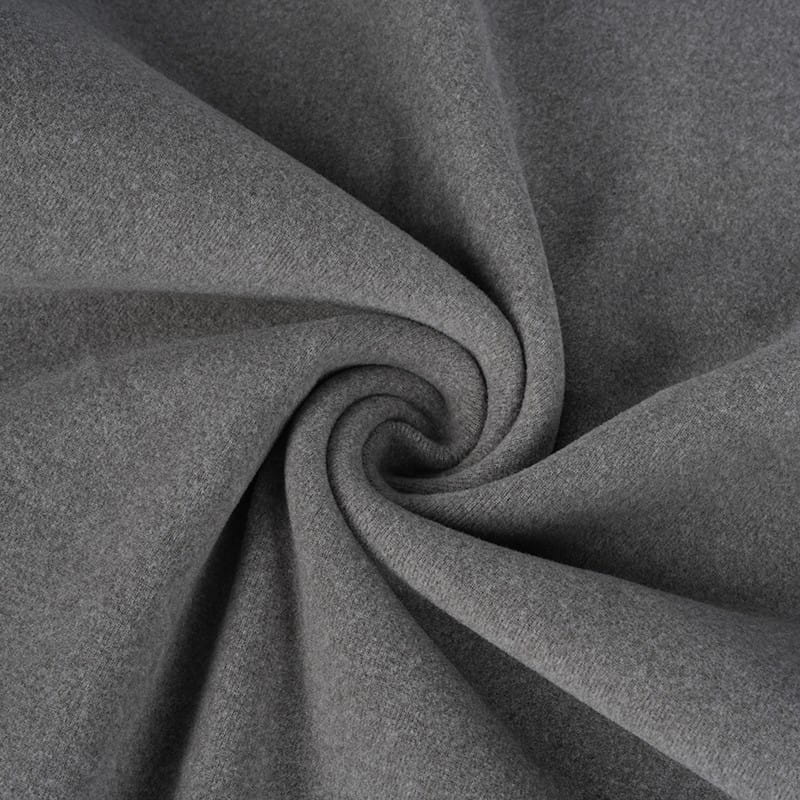
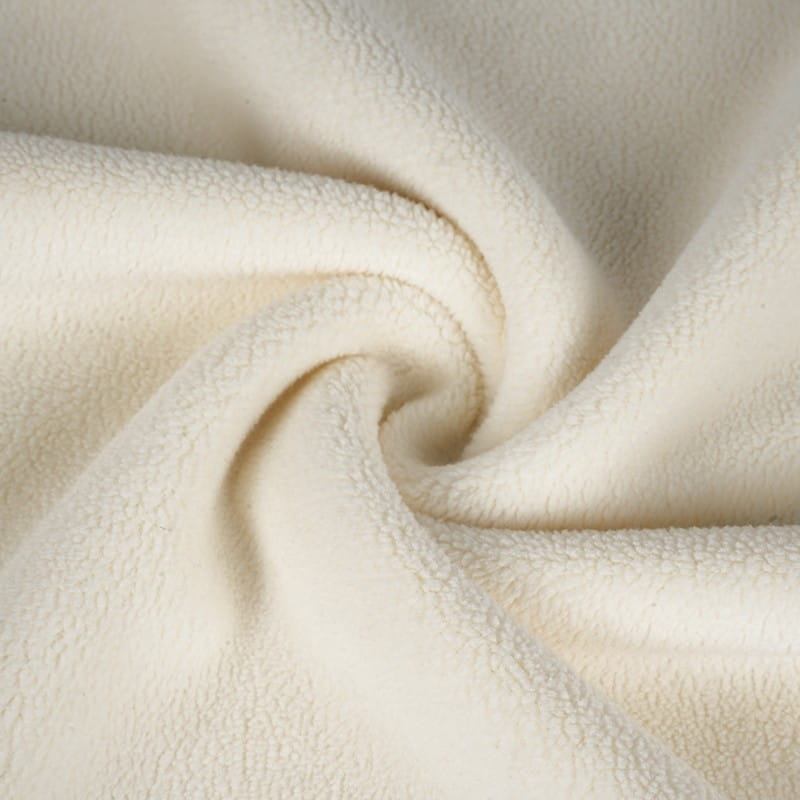
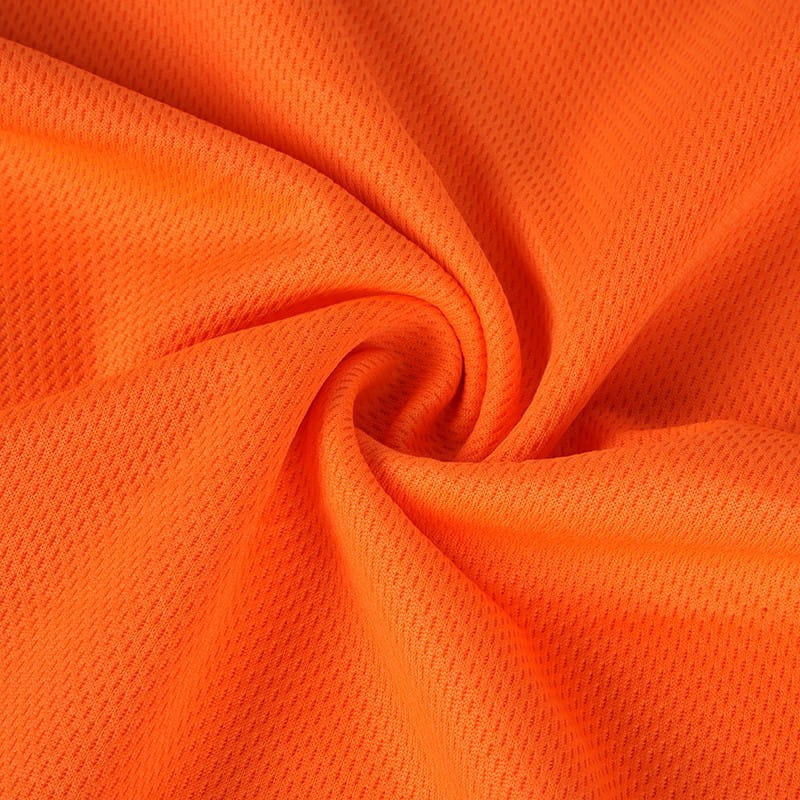
 Related Products

Dedicated to in-depth expertise and continuous innovation in knitted textiles.
Quick Links
Products
Contact Us
Tel: (86)-15988227526
Tel: (86)-15005828876
E-mail: peng@maozante.com
Add: 2nd Floor, Building 2, Baiyang Village, Anchang Street, Keqiao District, Shaoxing City, Zhejiang Province