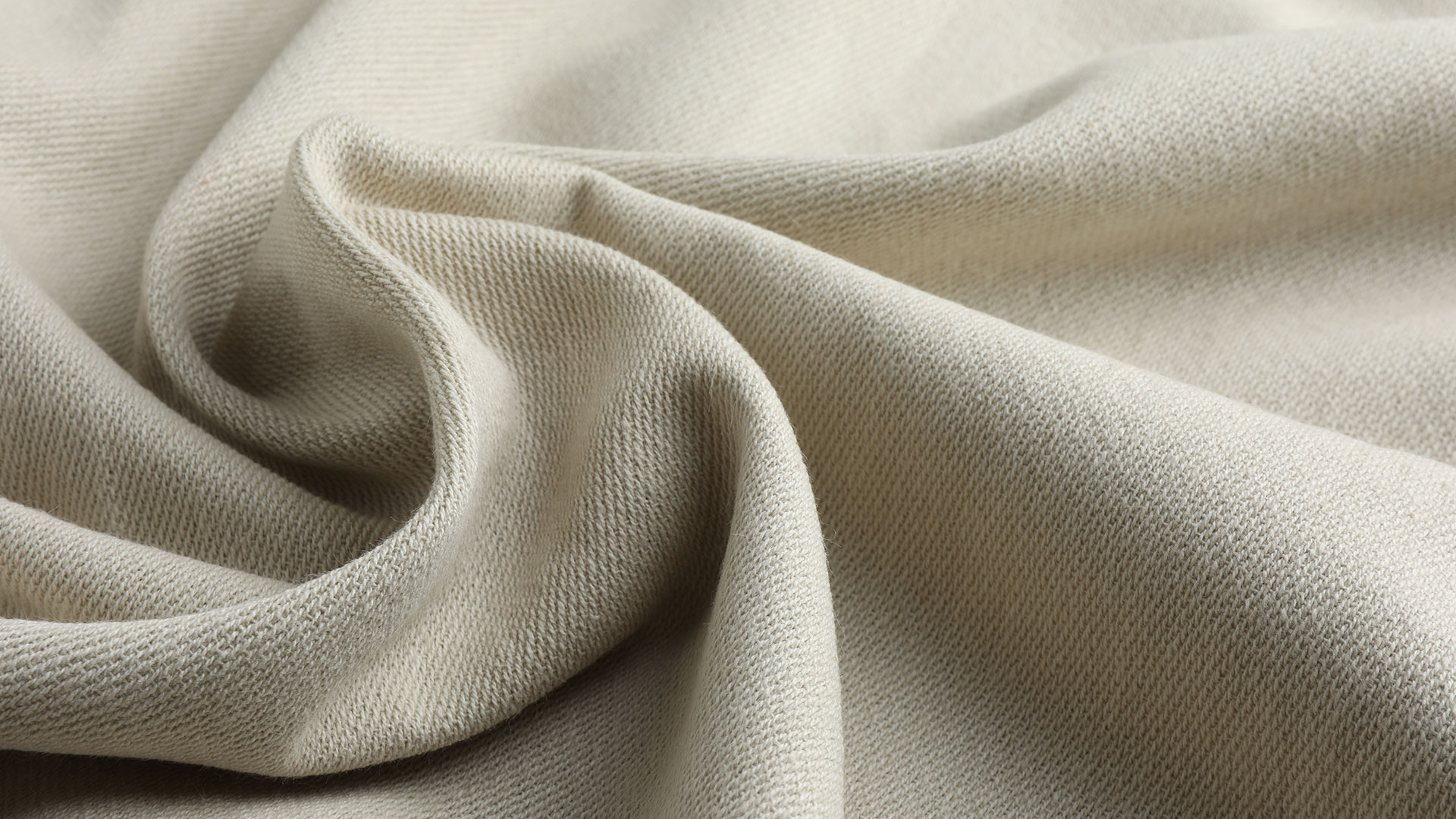
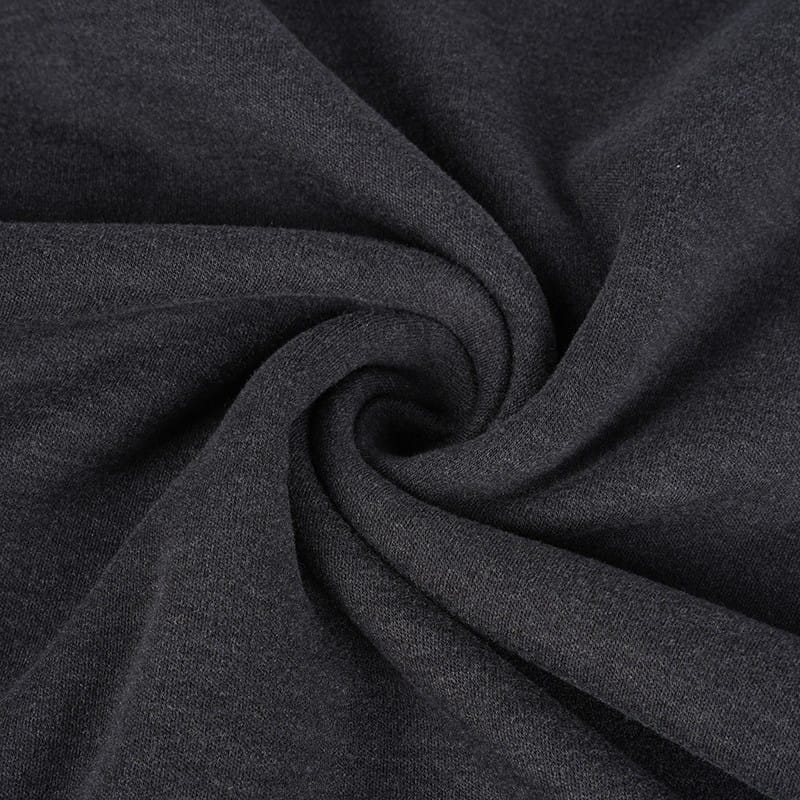
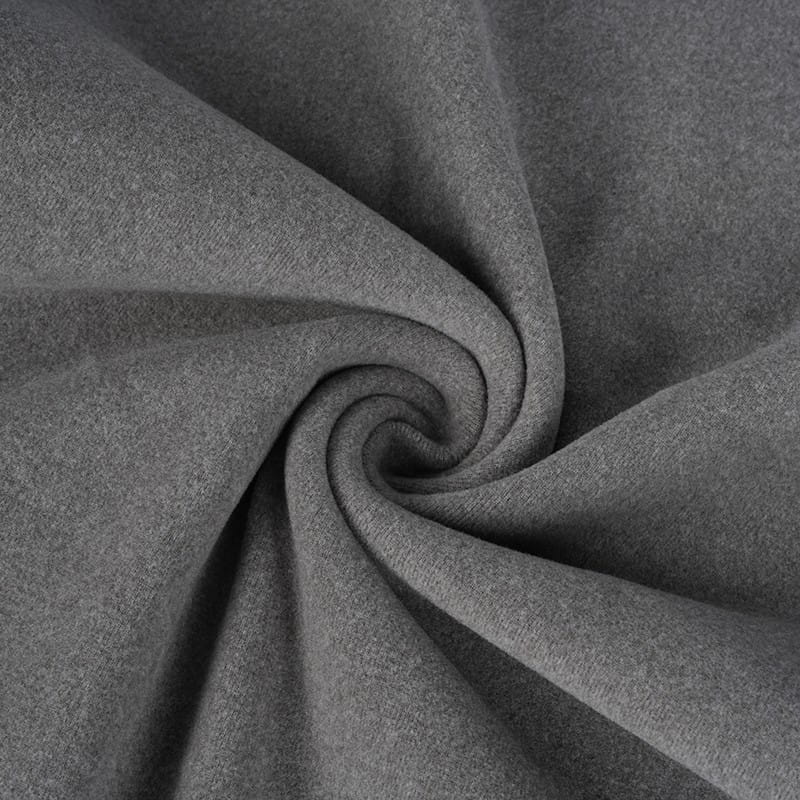
Fleece Fabric is a textile material featuring a soft raised pile surface created through specialized weaving or knitting processes. The fine pile structure provides a smooth hand feel, comfortable touch, and a rich visual texture, making it widely used in apparel, home textiles, and decorative applications.
Different fiber compositions allow velvet fabrics to achieve various performance characteristics. Rayon Velvet Fabric combines a soft touch with moisture absorption properties, making it suitable for close-fitting garments and casual wear. Polyester Spandex Velvet Fabric incorporates elastic fibers to improve stretchability, recovery performance, and shape retention, making it suitable for garments requiring flexibility and comfort.
About Us
Shaoxing Keqiao Maozan Textile Co., Ltd.
We are a professional Fleece Brushed Fabric Manufacturer in China, specializing in the production, processing, and supply of a wide range of apparel fabrics and related textile materials. As a specialized Custom Fleece Fabric Factory, we provide flexible ODM/OEM customization services to meet the diverse needs of our customers.
Our products are widely used in apparel, home textiles, garment accessories, and other textile applications. Located in Shaoxing Keqiao, home to China Textile City, we leverage the region’s strong textile industry cluster and well-established supply chain to provide reliable raw materials, quality finished products, and stable supply services to customers worldwide.
With a commitment to quality, flexibility, and customer satisfaction, we strive to build long-term partnerships by delivering tailored textile solutions that meet different market demands.
Direct Answer: What Defines a Good Knitted Fabric
A good knitted fabric is defined by a controlled loop structure, a stable finished weight and a verified response to washing and stretching. The visi...
Short Answer: How to Select Knitted Textile Fabrics For Apparel
The right knitted textile fabrics for apparel are chosen by matching four variables to the garment: structure, fiber blend, weight and ...
Direct Answer: Which Knitted Textile Fabrics Work for Apparel?
Single jersey, rib, interlock, pique and fleece cover most apparel programs, and the right choice depends on three decisions: the stretc...
The company focuses on the knitted textile sector, specializing in the production and processing of various knitted fabrics as well as the sale of raw materials. Its products are widely used in appare...
Fleece fabric is a knitted textile with a flat face and a brushed back, where the brushing step lifts fibers from the inner yarn into a layer of pile. The pile traps air between the fibers, which increases thickness and reduces heat loss through the fabric. This category page covers the fleece-fabric products used for hoodies, sweatshirts, joggers, kidswear and cold-weather layers. It describes the structure, the main types, the effect of brushing, a comparison with other knits, application points and the way custom development is organized.
Summary: cotton fleece is chosen for hoodies and sweatshirts when a garment needs warmth, shape retention and a flat face for printing. Typical finished weights run from 260 to 380 GSM, and common fibers include cotton, cotton-polyester blends and polyester. A fleece fabric manufacturer China buyers contact will usually ask for four details at the start: fiber content, weight, pile height and face finish.
(1) Core Properties at a Glance
Brushed back that holds air and adds insulation without a bonded layer.
Flat face that accepts screen printing, embroidery and heat transfer.
Stable body that supports pockets, hoods, cuffs and structured silhouettes.
Wide fiber range, from pure cotton to polyester, with elastane as an option.
2. Structure and Working Principle
The most common fleece construction uses three yarns. A face yarn forms the smooth outer layer, a binder yarn ties the layers together, and a thicker, lightly twisted fleece yarn lies on the back. After knitting, the back is brushed with wire or card clothing rollers that pull fibers out of the fleece yarn and form a pile. The diagram below shows the layers in cross section.
The diagram shows three zones. The face layer at the top is knitted from regular loops and carries the print and the color of the garment. The binder layer in the middle ties the face to the back and gives the fabric its body. The pile at the bottom is made of fibers drawn out of the fleece yarn, and it sits against the skin or against an inner garment. The pile height, shown on the left, is the main measure of the brushed layer, and it usually ranges from about 1 to 2 mm in cotton fleece. Air trapped in the pile reduces heat transfer, which is why a brushed fabric feels warmer than an unbrushed knit of equal weight. The structure also separates the printed surface from the brushed surface, so brushing does not affect the print area.
(1) Fleece Yarn and Twist
The fleece yarn is spun with lower twist than the face yarn so that fibers can be lifted during brushing. A yarn with too much twist resists brushing and gives a short, thin pile. A yarn with too little twist gives a dense pile but may weaken the fabric. Developers balance these two effects by selecting yarn count, twist and fiber length together.
(2) French Terry as a Related Structure
French terry has the same three-yarn layout, but its back keeps unbrushed loops. When the loops are brushed, the fabric becomes fleece. Many programs use both, with fleece for cold-season hoodies and French terry for spring and autumn styles.
3. Common Types and Features
Fleece fabric is made in several fiber and weight variants. The table below lists the types most often requested from a Custom Fleece Fabric Factory, with typical weights and uses.
Common fleece fabric types with fiber, typical weight, main feature and application.
Type
Typical Fiber
Typical GSM
Main Feature
Application
Cotton fleece
100 percent cotton
280 to 380
Natural fiber, moisture uptake
Hoodies, sweatshirts
Cotton-polyester fleece
Cotton 60 to 80 percent, polyester balance
260 to 340
Shape retention, lower pilling
Uniforms, team wear, joggers
Polyester fleece
Polyester
180 to 320
Quick drying, stable color
Outdoor layers, jackets
Lightweight fleece
Cotton blends
200 to 260
Lower bulk, shorter pile
Spring tops, kidswear
Stretch fleece
Cotton or polyester with 3 to 5 percent elastane
260 to 320
Added recovery
Fitted hoodies, leggings
The table shows that cotton fleece sits at the heaviest end of the range, with 280 to 380 GSM, while polyester and lightweight versions cover lower weights. A buyer who sends an inquiry to a cotton fleece fabric for hoodies supplier should state fiber, weight and pile height, since these three values narrow the choice quickly. Cotton-polyester blends are common when a program needs lower pilling and faster drying than pure cotton can offer.
4. Brushing and Pile Height
Brushing is the step that turns a knitted base into fleece. The number of brushing passes, the roller speed and the fabric tension set the pile height and density. More passes raise more fibers, and the pile becomes taller and denser. The line chart below shows typical pile height after different numbers of passes for a cotton fleece and a cotton-polyester fleece of similar weight.
The chart shows that cotton fleece reaches a pile height of about 2.0 mm after eight passes, while the cotton-polyester fleece reaches about 1.6 mm. The rise is steep in the first four passes and flattens afterward, which means that additional passes add less height each time. Cotton fibers lift more easily because they are shorter and more irregular, and polyester filaments resist lifting unless they are cut or spun as staple. Each pass also removes some fiber length and weakens the base, so factories stop brushing when the target pile height is reached. A product team that wants a taller pile for a cold-weather hoodie can request more passes, and a team that wants a flatter surface for a print-heavy garment can request fewer. The pile height should be written into the specification together with the finished weight, since two fabrics with the same weight can differ in thickness.
(1) Anti-Pilling and Surface Finishing
Loose fiber ends on the face can form small balls with wear. Combed yarn, enzyme polishing, singeing and an anti-pilling finish reduce this effect. The face is often treated separately from the back, so that the print surface stays smooth while the inner pile stays raised.
5. Comparison With French Terry and Cotton-Polyester Fleece
Product teams often compare cotton fleece with cotton-polyester fleece and with French terry before they select a base fabric for a sweatshirt program. The radar chart below rates the three fabrics on five properties using a scale from 1 to 5, where a larger value means stronger performance on that property. The ratings are illustrative and reflect common construction behavior.
Cotton fleece receives the highest rating for insulation, which matches its use in cold-season hoodies. French terry receives the highest rating for moisture uptake and a higher rating for lightness, which places it in spring, autumn and active casual garments. Cotton-polyester fleece has the highest rating for shape retention, since the polyester content limits stretching and keeps cuffs and hems in line. Surface evenness is similar across the fabrics, with a small advantage for the blended fleece, which tends to show less pilling on the face. A buyer who plans a hoodie range for winter will find the first two shapes on the chart most relevant, and a buyer who plans a transitional range will look at French terry as well. Many programs combine fabrics, for example cotton fleece for the body and cotton-polyester rib for the cuffs and hem.
6. Applications and Selection Points for Hoodies
Hoodies are the main use of cotton fleece, and they place several demands on the fabric at once. The body needs enough weight to hang cleanly, the hood needs enough body to hold its shape, and the face needs to accept a print or embroidery without distortion. A cotton fleece fabric for hoodies supplier normally helps the buyer match these needs through a short technical sheet.
(1) Hoodies and Sweatshirts
Hoodies commonly use 280 to 360 GSM cotton or cotton-polyester fleece, and sweatshirts use 260 to 320 GSM. Selection points include pile height, shrinkage after washing, pilling grade and the way the face takes a print.
(2) Joggers, Kidswear and Team Wear
Joggers and team wear use cotton-polyester fleece at 260 to 340 GSM, since shape retention and color stability matter at the knee and seat. Kidswear uses lightweight fleece at 200 to 260 GSM, with attention to seam strength and color fastness to washing.
(3) Selection Checklist
Name the garment, the season and the target market.
State fiber content and any elastane share.
Set target GSM, pile height and finished width.
Define the face finish: plain, enzyme polished or anti-pilling treated.
List test items for shrinkage, pilling and color change.
Confirm color references, sampling steps and the delivery window.
7. Customization and Supply Model
Custom development starts with a brief that names the garment, the fiber, the weight, the pile height and the face finish. The factory prepares a knitting plan, runs a trial, brushes and finishes the fabric, and sends a sample for approval. Once the sample is approved, the same settings carry into bulk production, and records for each lot support repeat orders. A China ODM Fleece Fabric Factory can also propose base fabrics from its own development library, which shortens the path from design idea to approved fabric.
(1) Shaoxing Keqiao Maozan Textile Co., Ltd.
Shaoxing Keqiao Maozan Textile Co., Ltd. produces, processes and supplies apparel fabrics and related textile materials, and it offers flexible ODM and OEM customization. The company is located in Shaoxing Keqiao, home to China Textile City, where yarn, dyeing, finishing and logistics services operate close to each other. Buyers who search for a fleece fabric factory in China can discuss fiber, weight, pile height and finishing in one conversation. The company supplies apparel, home textiles and garment accessories, so a brand can coordinate fleece body fabric with rib trims and matching accessories from one source.
(2) Why Location Supports Development Speed
Fleece development involves knitting, dyeing, brushing and finishing, and each step can need a trial. A fleece fabric manufacturer China buyers work with inside a textile cluster can move material between these steps in a day instead of a week. Steady yarn supply in the same area also helps keep color and weight consistent across lots, which supports repeat orders for the same hoodie style.
8. Cutting, Sewing and Care Guidance
(1) Cutting and Sewing
Relax the fabric on the cutting table for several hours before cutting, and spread it with low tension.
Cut all pieces in the same direction, since the pile lies in one direction and affects the look of the garment.
Use ballpoint needles and a stretch stitch such as overlock or coverstitch.
Remove loose fibers from the cutting area to keep the sewing room and the finished garments clean.
Press with moderate heat from the face side through a cloth to avoid flattening the pile.
(2) Washing and Storage
Machine washing at 30 to 40 degrees Celsius with similar colors is a common instruction for cotton and cotton-polyester fleece garments. Turning garments inside out protects the face and the pile, and drying at low heat or flat helps the pile keep its height. Rolls should be stored horizontally on racks, away from direct sunlight and damp areas, and kept in their wrapping until cutting.
9. Frequently Asked Questions About Fleece Fabric
Q1: What is fleece fabric?
Fleece fabric is a knit with a smooth face and a brushed back. The brushed layer forms a pile that holds air and adds insulation. It is used for hoodies, sweatshirts, joggers and cold-weather layers.
Q2: Which GSM suits hoodies?
Hoodies commonly use 280 to 360 GSM, with lighter weights for spring styles and heavier weights for winter styles. A fit sample in two weights shows how the body and the hood hang before bulk planning.
Q3: How does fleece differ from French terry?
French terry keeps unbrushed loops on the back, and fleece brushes those loops into a pile. French terry is lighter and takes up moisture more quickly, while fleece gives more insulation.
Q4: Can fleece be customized in fiber, weight and pile height?
Yes. Fiber blend, weight, pile height, face finish and color can be set during development. Color is matched through lab dips against a reference sample, and pile height is set by the number of brushing passes.
Q5: What information should an inquiry include?
An inquiry should name the garment, fiber content, target GSM, pile height, finished width, color reference, estimated quantity and delivery window. A reference sample or photograph helps the factory match the surface and thickness directly.
Q6: How should fleece garments be washed?
Wash at 30 to 40 degrees Celsius with similar colors, turn garments inside out, avoid bleach, and dry at low heat or flat. These steps help the pile keep its height and the face keep its color.