Nylon–Viscose Ponte Roma Fabric from Our Keqiao Knitting Mill
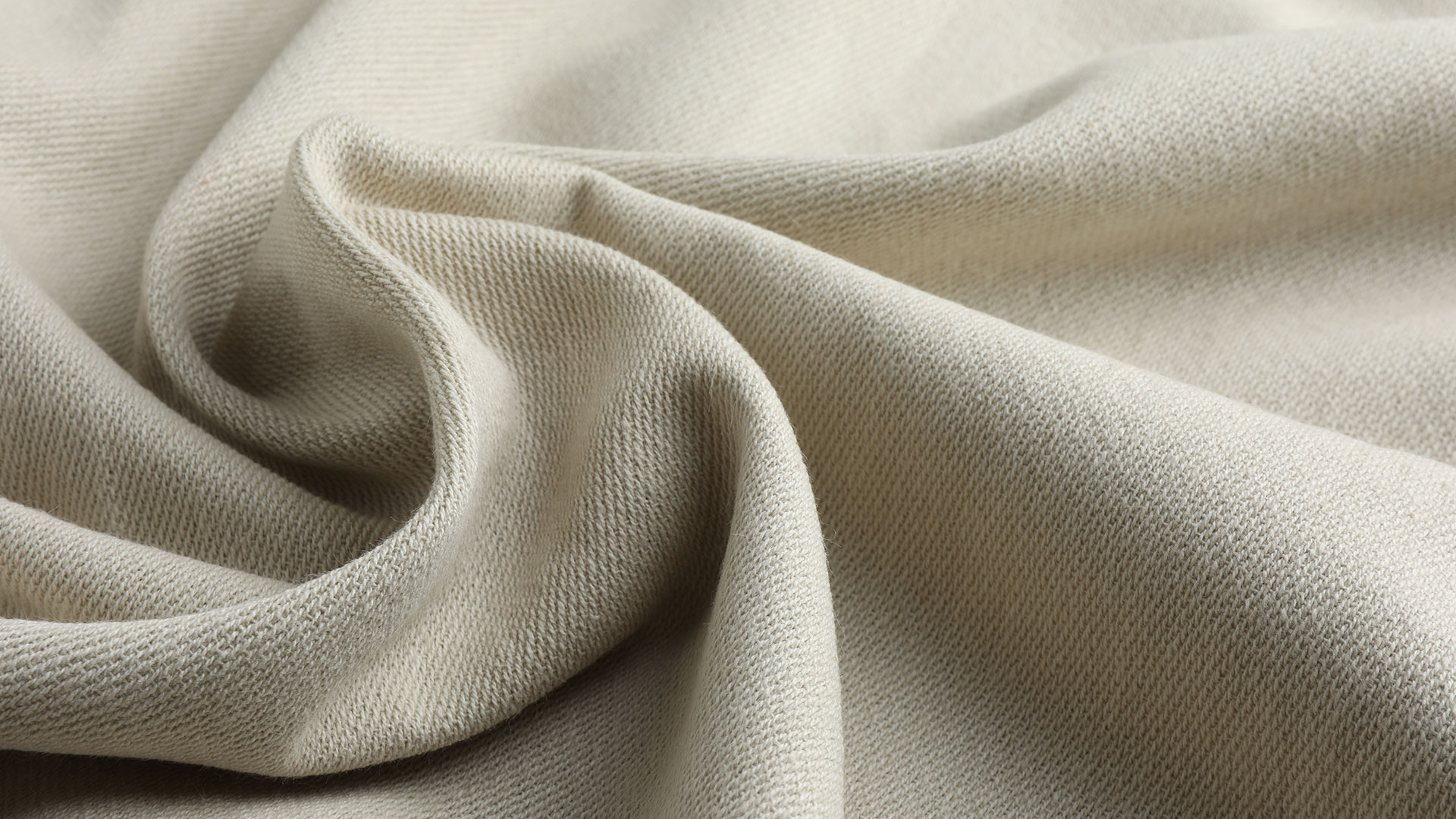
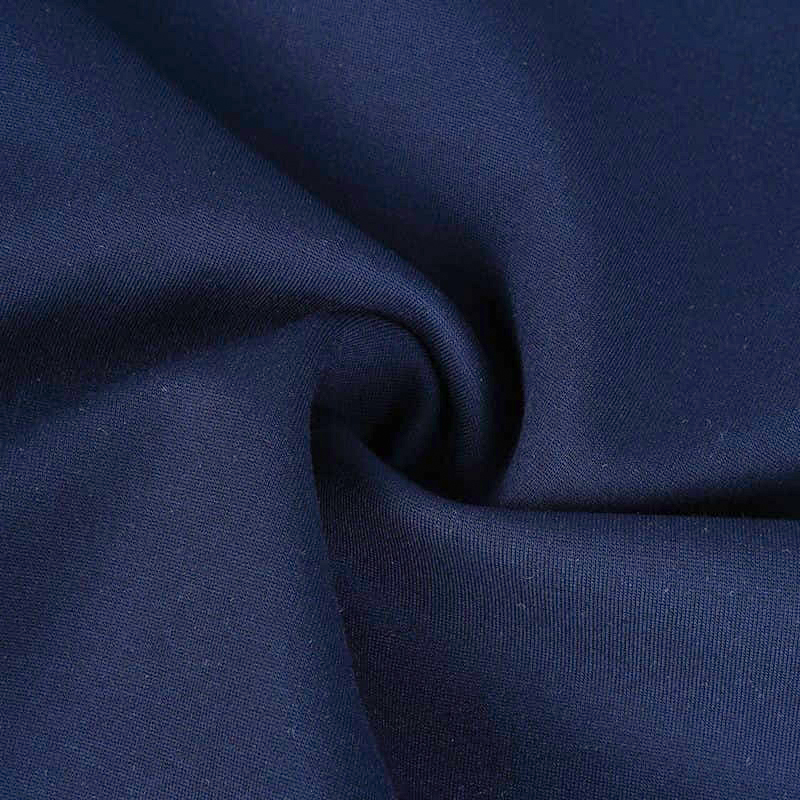
As an NR Ponte Roma Fabric Supplier, Maozan Textile produces a nylon–viscose Ponte built on the Roma stitch: a double-knit with a firm structure, an even surface and a crisp, well-defined look. Nylon contributes durability and a light character, while the viscose-based fibre brings softness, a fine hand feel and natural drape. The fabric carries enough weight to hold a silhouette without feeling heavy.
Our knitted fabric production, processing and raw material supply operate from Keqiao, Shaoxing, inside China's densest textile cluster, so material sourcing and finishing routes stay responsive when a programme changes mid-development. Alongside Ponte Roma and its nylon–viscose and TR versions, our range covers air-layer, double-knit, ribbed, single jersey, pique, waffle, terry, crepe, fleece and mesh constructions used across apparel, home textiles and garment accessories.
What the construction delivers in the finished garment
- A firm, evenly knit surface that keeps seam lines clean and shaped panels stable.
- A smooth, non-rough touch against the skin in wear areas such as seat and thighs.
- Comfortable stretch that follows the body rather than bagging at the knee.
- Natural drape from the viscose-based fibre, so wide-leg and straight-leg cuts fall straight.
Where NR Ponte Roma Fits in the Garment
We position NR Ponte Roma mainly for bottoms: casual pants, stretch trousers, straight-leg pants, wide-leg trousers, athleisure pants and commuter trousers. In these styles the fabric moves easily with the body while keeping a naturally crisp shape, which suits everyday casual wear, light activity and urban commuting programmes.
The same Roma-stitch character also works in structured dresses, knit jackets, skirts and tailored separates, and it pairs cleanly with rib trims for waistbands, cuffs and plackets. Where a programme leans towards suiting rather than sportswear, a different fibre direction usually gives the better hand and price position.
Our Ponte Roma Range and the Wider Knitted Fabric Range
| Fabric |
Fibre direction |
Structure and hand |
Application fit |
| NR Ponte Roma Fabric (this range) |
Nylon with viscose-based fibre |
Roma-stitch double-knit; firm, even surface, crisp look, good stretch and resilience |
Casual pants, stretch trousers, straight-leg and wide-leg trousers, athleisure and commuter trousers |
| TR Ponte Roma Fabric |
Polyester with viscose-based fibre |
Ponte construction with a smoother, drier hand and firm recovery |
Structured trousers, knit suiting, tailored separates and jackets |
| Ponte Roma Fabric |
Multiple fibre directions in the family |
Stable double-knit group selected by weight, stretch and surface |
Trousers, dresses, skirts and structured knit tops |
| Nylon-Spandex Interlock Fabric |
Nylon with spandex |
Compact interlock surface with strong recovery |
Leggings, close-fitting tops, sportswear and second-skin styles |
| Air-Layer Fabric |
Polyester, viscose, Tencel and spandex options |
Spaced double-knit with airy resilience |
Activewear, casual tops and lighter knit programmes |
| Ribbed Fabric, Single Jersey, Pique, Waffle, Terry, Crepe, Fleece, Mesh |
Cotton, CVC, viscose, modal, polyester and blends |
Supporting knit structures for trims, tops and linings |
Waistbands, cuffs, collars, body panels and garment accessories |
Fibre Composition, Weight and Stretch
The working point of each NR Ponte Roma order is fixed on four variables: fibre ratio, weight, width and elastic behaviour. We agree them before knitting, then hold them through dyeing and finishing so the bulk behaves like the approved sample.
- Nylon content sets durability, dimensional stability and the light character of the fabric.
- Viscose-based fibre drives softness, a fine hand and natural drape.
- Blend ratio is agreed per programme, so the hand can lean firmer and crisper or softer and more fluid.
- Weight (GSM) and cuttable width are matched to the pattern, the cutting room and the required fall of the garment.
- Stretch and recovery are defined by course and wale elongation targets; where a specific recovery is required, elastane content is set into the composition for that order.
- Appearance level is anchored on the approved sample: surface evenness, shade and the acceptable handling of normal knitted-fabric characteristics.
Configuration Options We Confirm Per Order
NR Ponte Roma is not a single fixed article. We build it around the end use, and the options below are settled on the order confirmation rather than assumed.
- Colour: solid dyed shades matched to your colour standard, with lab dip approval and the light source agreed in advance.
- Hand: finishing route chosen to reach a drier, more compact touch or a softer, more fluid touch.
- Composition: nylon and viscose-based fibre ratio, with elastane added where defined stretch is specified.
- Weight and width: GSM and cuttable width, including the allowances needed for washing and relaxation.
- Roll form: roll put-up, roll length and selvedge handling agreed so the fabric feeds your cutting room cleanly.
- Testing: the test list and acceptance criteria attached to the order.
Quality Control and Acceptance
We run full-process quality management across knitted fabric production: inspection after each process stage, and a final inspection before shipment against your requirements and the applicable international standards. Our laboratory is equipped with testing instruments for the checks that matter on Ponte Roma, including composition, weight, width, stretch and recovery, dimensional stability after wash, colour fastness and appearance.
OEKO-TEX certified fabric options are available for programmes that need documented sustainability credentials for the end market. Test scope and acceptance criteria are agreed at bulk confirmation, so the inspection report matches the specification you signed off rather than a generic checklist.
ODM/OEM Development, Sampling and Re-orders
Our ODM/OEM service covers customised production, small-batch sampling and quick re-orders, which suits brands that develop their own colour ranges, weights or hands instead of buying from a fixed catalogue. Development normally starts from a reference garment, a swatch or a written specification; we then propose the closest construction and knit a sample for approval.
The approved sample is the reference document for bulk. It fixes hand, shade, weight, width and stretch, and it is the standard our final inspection works against on repeat orders.
Information We Use to Configure Your Solution
A precise brief shortens development and avoids re-knitting. These are the inputs we work from when preparing a configuration and quotation for NR Ponte Roma.
| Project input |
What we confirm from it |
| End product and style |
Weight, stretch level and surface character suited to trousers, structured separates or a lighter knit |
| Fibre and composition target |
Nylon and viscose-based fibre ratio, with elastane if recovery is specified |
| GSM and cuttable width |
Machine setting, finishing route and washing allowances |
| Stretch and recovery requirement |
Elongation targets and the elastic content that supports them |
| Colour standard and light source |
Lab dip development, shade approval route and dyeing plan |
| Hand reference or reference garment |
Finishing route and the sample standard for bulk |
| Order quantity and delivery schedule |
Production planning, sampling slot and shipment grouping |
| Testing and acceptance criteria |
Test list, inspection scope and the reports issued with the shipment |
| Packing, labelling and marks |
Roll put-up, inner and outer packing, labels and shipping marks |
Packaging, Documentation and Delivery
Roll put-up, roll length, inner and outer packing materials, label content and shipping marks are settled on the order confirmation, together with how dye lots are grouped across a multi-roll shipment. Each shipment is accompanied by the packing and commercial documents for the order, plus the inspection and test documentation agreed at bulk stage.
Because we operate as a knitting mill with an in-house international sales function, technical questions, sample follow-up and shipment coordination stay with the same team that configured the fabric.
FAQs on NR Ponte Roma Fabric
What is NR Ponte Roma fabric used for?
It is developed for bottoms: casual pants, stretch trousers, straight-leg and wide-leg trousers, athleisure pants and commuter trousers. The firm Roma-stitch structure and smooth hand also suit structured dresses, skirts, knit jackets and tailored separates.
Can you supply NR Ponte Roma in a custom weight, width and colour?
Yes. GSM, cuttable width, nylon and viscose ratio, stretch level and shade are set per order. We develop the construction around your end product and confirm everything against an approved sample before bulk knitting.
How is quality controlled and accepted?
We apply full-process quality management with inspection after each process stage and a final inspection against customer requirements and international standards, supported by our laboratory's testing instruments. Test scope and acceptance criteria are agreed when bulk is confirmed.
Do you offer OEKO-TEX certified options?
Yes, OEKO-TEX certified fabric options are available for programmes that require documented sustainability credentials alongside standard quality documentation.
How do sampling and repeat orders work?
We support small-batch sampling, ODM/OEM customisation and quick re-orders. The first approved sample fixes hand, shade, weight, width and stretch, and it becomes the reference for every repeat run of that article.
What do you need to prepare a quotation?
Tell us the end product, target composition, GSM, width, colour standard, hand reference, quantity, delivery schedule and any testing or packing requirements. With those inputs we can propose a construction and quote against a defined specification.