Shaoxing Keqiao Maozan Textile Co., Ltd. produces, processes and supplies knitted fabrics from Keqiao in Shaoxing, Zhejiang, the cluster built around China Textile City. Our output runs into apparel manufacturing, home textiles and garment accessories, and the double-knit family is where most of our technical work sits.
Within that family we build the Nylon-Spandex Interlock Fabric Supplier line as a working-point fabric: composition, weight, cuttable width, stretch level and colour are agreed against the garment, sampled, approved and then repeated in bulk. Garment factories, brand sourcing teams and distributors use this construction for high-stretch, close-fitting programmes where the cloth has to keep its shape through repeated wear and laundering.
At a glance
- Structure: interlock (two faces knitted together), nylon filament with elastane
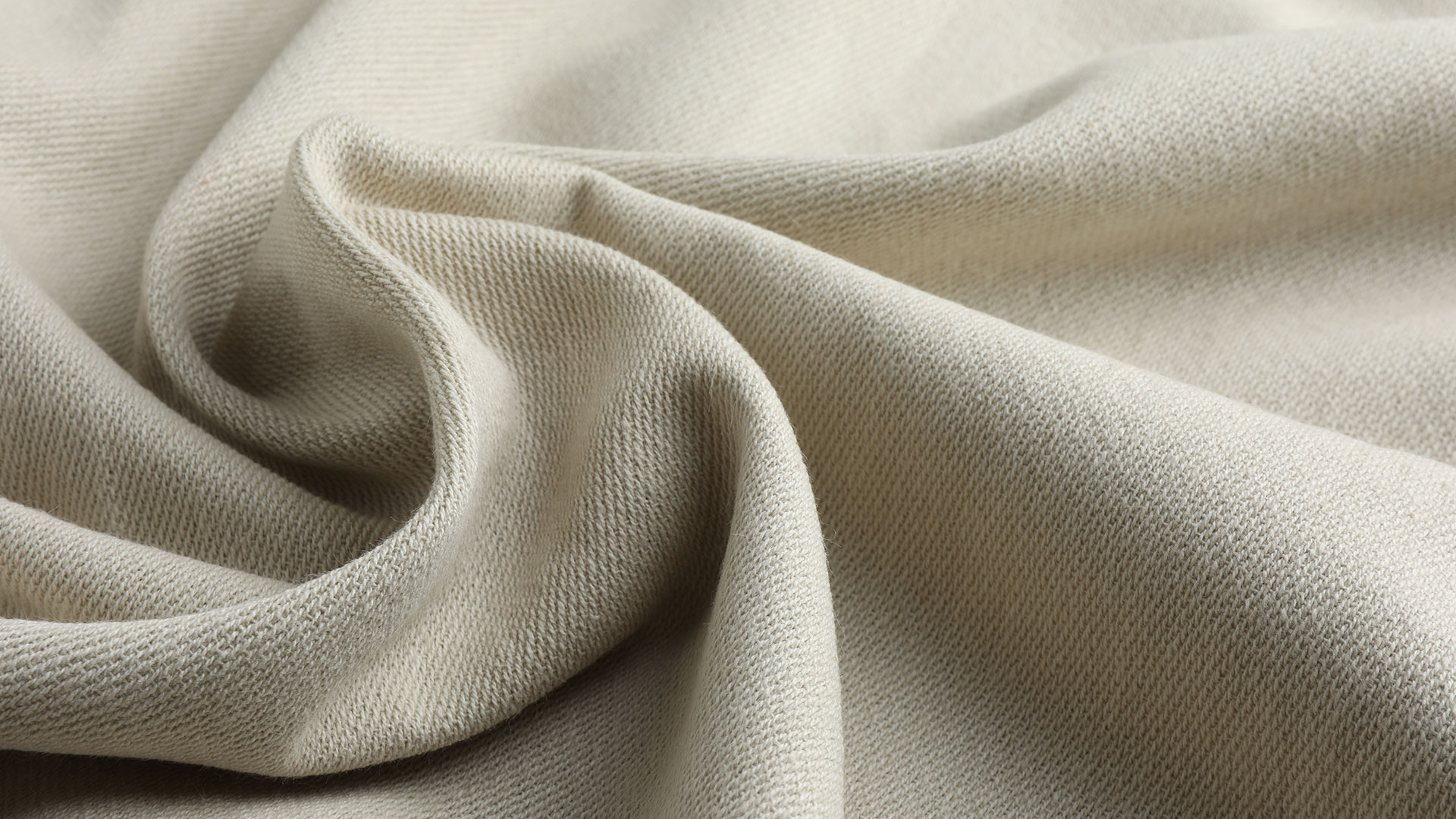
- Character: fine, silky-smooth hand, flat on both sides, high extension with strong recovery
- Typical use: yoga wear, sports bras, training tights, performance tops, base layers, seamless underwear
- Supply form: roll goods, ODM/OEM development, sampling before bulk, repeat orders
Why Nylon-Spandex Interlock Is Specified
Interlock knits two faces in one structure, so both sides of the cloth read clean and flat rather than showing a technical back. Nylon contributes toughness, abrasion resistance and a low-friction surface feel, while elastane supplies the extension and recovery that close-fitting garments rely on. Compared with a single jersey of similar weight, the interlock face is smoother and holds its shape better around the body.
- Skin contact: flat face and low surface roughness reduce drag and irritation under movement
- Recovery: elastane returns the fabric after stretch, which protects fit through the wear cycle
- Durability: nylon's tensile and abrasion behaviour suits frequent training and repeated laundry
- Breathability: the structure keeps air movement and moisture handling at an activewear level
- Drape and opacity: dense enough for leggings and bra panels without heavy lining
Because the same base structure can be tuned, we also run companion qualities in the Double-Knit Fabric group, so a garment programme can keep one colourway, hand feel and finishing standard across panels, trims and linings.
Our Interlock and Double-Knit Range
| Fabric |
Fibre route and construction |
Hand feel and stretch behaviour |
Typical end use |
| Nylon-Spandex Interlock |
Nylon filament with elastane, interlock two-face knit |
Fine, silky-smooth, flat on both faces; high stretch with strong recovery |
Yoga wear, sports bras, training tights, performance tops, base layers, seamless underwear |
| Polyester-Spandex Interlock Fabric |
Filament polyester with elastane, interlock knit |
Crisper, higher bulk, good shape retention and abrasion performance |
Teamwear, casual knit tops, uniform knits, outer performance layers |
| Cotton-Spandex Interlock Fabric |
Cotton yarn with elastane, interlock knit |
Soft dry hand, moderate stretch, natural surface and matte appearance |
T-shirts, loungewear, kidswear, casual knit tops |
| Ponte Roma and NR Ponte |
Double-knit with viscose, nylon and elastane variants |
Denser, more structured, low sheen, good body |
Dresses, trousers, structured jersey tops |
| Air-layer and spacer knits |
Two outer faces linked by spacer yarn |
Cushioned, breathable, dimensionally stable |
Sportswear panels, cushioning zones, home textile components |
Configuration Variables We Confirm Before Sampling
Nylon-spandex interlock is quoted against a working point, not a single stock quality. The variables below are settled with you before the first sample, so the greige, dyeing and finishing route matches the garment the fabric will be cut into.
- Composition and elastane content: sets stretch direction, power and recovery level
- Weight per square metre: governs opacity, cover and drape for leggings, bras or tops
- Cuttable width and selvedge: aligned to your marker and cutting layout
- Knit gauge and surface: face and back appearance, flatness, sheen level
- Colour: lab dip first, then bulk approval, with shading controlled across repeats and rolls
- Hand feel and finish direction: softener, moisture management or anti-pilling routes selected for the end use and confirmed at sample stage
- Roll format and packing: roll length, winding and packing method agreed in the order confirmation
- Test list: the acceptance tests your garment buyer applies to the fabric
Quality Control, Inspection and Compliance
Quality management runs through the process rather than sitting only at the end. Inspection follows each production step, and finished rolls are checked against the approved sample, the agreed specification and the customer's own acceptance requirements. In-house testing equipment covers the checks that decide acceptance on stretch knits, so stretch and recovery, weight, width, dimensional stability and colour fastness are known before goods leave us.
- In-process inspection after each production stage
- Final roll inspection against the approved sample and specification
- Laboratory checks on weight, width, stretch and recovery, shrinkage and colour fastness
- OEKO-TEX certified fabric options for programmes with restricted-substance requirements
- Acceptance criteria, sampling plan and test list agreed with the customer before bulk, so inspection follows the standard you set
Information We Use to Configure Your Solution
| Project input |
Why we need it |
What it settles in the quotation |
| End garment and panel position |
Bras, tights, tops and base layers load the fabric differently |
Stretch power, weight band and opacity target |
| Composition and elastane ratio |
Determines hand feel, power and cost position |
Fibre specification and price basis |
| Target weight and cuttable width |
Drives yield per garment and cutting efficiency |
Knitting specification and length per roll |
| Colour reference and colourways |
Shade approval must precede bulk dyeing |
Lab dip sequence and colour-continuity plan |
| Finish and hand feel requirement |
Moisture handling, pilling and softness expectations |
Finishing route and sample route |
| Testing and compliance needs |
Defines which laboratory evidence the order requires |
Test list, sampling plan and documentation set |
| Quantity, repeat pattern and packing |
Small-batch sampling and re-orders are handled as separate runs |
Order structure, roll format and shipment scope |
Development support covers ODM and OEM work: custom composition and colour development, small-batch sampling before bulk, quick re-orders on approved qualities, and cooperation models kept flexible to the size of the programme. Documentation follows the order - approved sample record, fabric specification and test data - and weekday inquiries receive a response within 12 hours of reaching us.
Frequently Asked Questions
What is nylon-spandex interlock fabric used for?
It suits garments that need high elasticity with a close, smooth fit: yoga wear, sports bras, training tights, performance tops, base layers and seamless underwear, and intimate apparel generally. Where a flat surface and reliable recovery matter in home textiles or garment accessories, the same construction also applies.
What composition and weight can you supply?
Both are set against your garment rather than taken from a single stock quality. We agree the nylon and elastane ratio, the weight per square metre and the cuttable width with you, then confirm all three on a development sample before the bulk order is placed.
How is stretch and shrinkage controlled through the order?
Stretch behaviour starts with elastane content and knit settings at greige, then continues through the finishing route. Laboratory checks cover stretch, recovery and dimensional stability after wash, and the approved sample remains the reference for every bulk run so performance stays consistent between repeats.
Do you offer OEM/ODM customisation and sampling?
Yes. We handle custom composition and colour development, sample before bulk, and run small batches and quick re-orders on approved qualities. Packing and roll format are agreed at order confirmation, and we answer weekday inquiries within 12 hours.
Can you supply OEKO-TEX certified fabric options?
OEKO-TEX certified fabric options are available within our knitted range for programmes with restricted-substance requirements. Certification is confirmed at article level during quotation, so the certificate reference matches the exact quality and colourway being ordered.