Shaoxing Keqiao Maozan Textile Co., Ltd. is a knitted fabric manufacturer based in Keqiao, Shaoxing, China, working across fabric production, processing and textile raw-material supply. Within that operation, our Slub Air-Layer Knit Fabric Supplier range belongs to the wider Air-Layer Fabric family and is built for apparel programmes that want visible surface texture without giving up the softness, low weight and flexibility of a spacer-type knit.
We develop to the end use rather than to one fixed catalogue sheet. Composition, slub scale, weight, width, colour and finishing are agreed before knitting begins, and the same parameters are carried through sampling, bulk production and repeat orders.
How Slub Yarn and Air-Layer Knitting Work Together
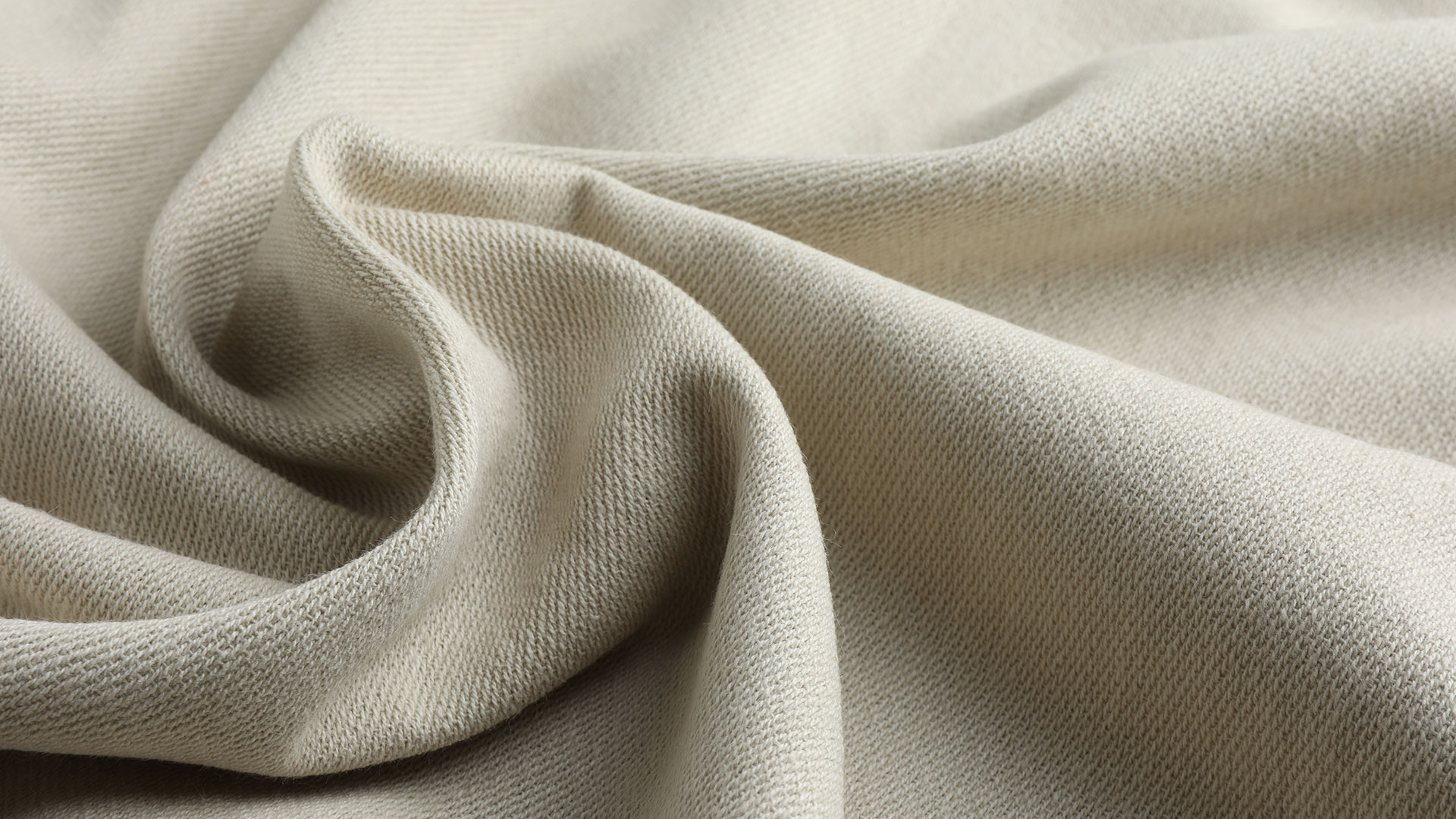
Slub yarn carries deliberate thick-and-thin variation along its length. Knitted into an air-layer structure, that variation becomes an irregular surface across the fabric face — texture that comes from the yarn itself rather than from printing or embossing, so it is part of the cloth rather than a layer sitting on top of it.
The air-layer construction knits two surfaces together with binding yarns and leaves an internal void between them. That void gives the fabric its softness, light bulk and warmth-to-weight character, while the knitted loops keep the cloth flexible and stretch-capable.
- Surface: visible slub flecks and uneven texture with a dry, natural hand.
- Structure: air-layer knit with an internal connecting layer and two faces.
- Performance profile: flexible, stretch-capable, lightweight with bulk.
- Styling direction: casual wear, sportswear and autumn-winter garments.
Our Air-Layer Knit Fabric Range
Five air-layer series cover most development briefs, from even-surface basics to pronounced slub texture.
| Fabric Series |
Yarn Direction |
Surface Character |
Application Fit |
| Slub Air-Layer Knit Fabric |
Slub yarn effect on the face |
Irregular natural texture, soft and bulky |
Textured tops, autumn-winter knitwear, casual sportswear |
| Polyester-Viscose Air-Layer Knit Fabric |
Polyester with viscose |
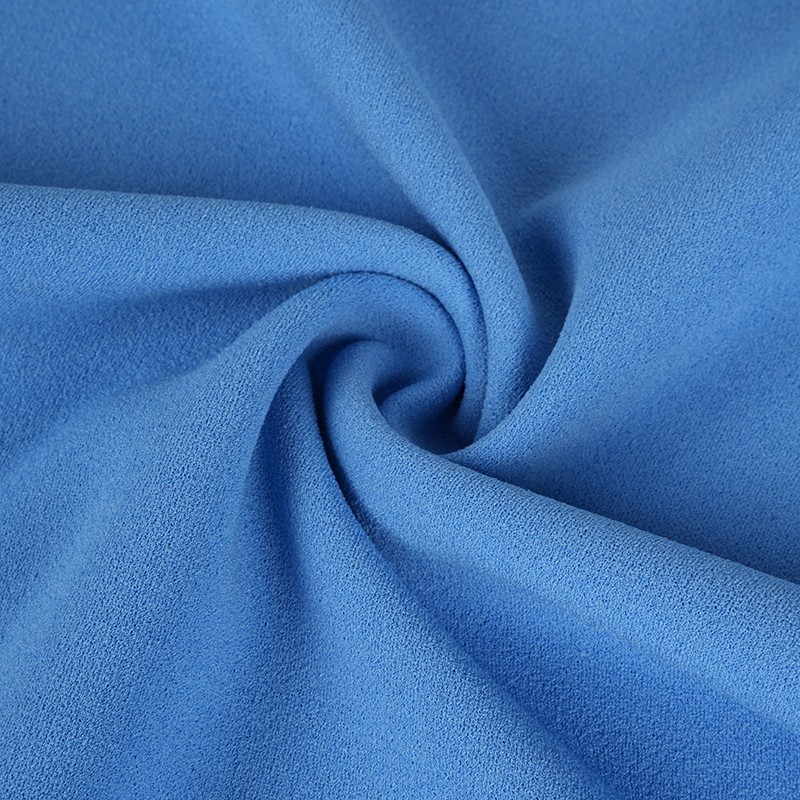
Smoother face, viscose drape |
T-shirts, dresses, soft separates |
| Tencel-Modal Air-Layer Knit Fabric |
TENCEL™ and modal blends |
Fluid, cool hand |
Premium tees, loungewear, lightweight knits |
| Polyester-Tencel Air-Layer Knit Fabric |
Polyester with Tencel |
Balanced strength and moisture feel |
Activewear, everyday knitwear |
| Polyester-Spandex Air-Layer Knit Fabric |
Polyester with spandex |
Elastic, resilient recovery |
Sportswear, fitted garments, leggings |
Configuration for the Garment, Not Just the Fabric
Four variables carry most of the development work in this family. We set them from the garment brief and then lock them into the sample record.
Slub Structure
Slub thickness, frequency and distribution determine how pronounced the surface reads and how evenly the texture repeats across the roll.
Yarn Combination
Slub yarn can be combined with the air-layer body yarns to shift hand, drape and moisture behaviour for the target garment category.
Weight and Width
Fabric weight is matched to season and cut; usable width is set so the marker plan and cutting yield work for the style.
Colour and Finishing
Dyeing, surface finishing and final hand are developed after the greige structure is approved, so colour work does not disturb the knit.
Specifications We Confirm Before Production
| Parameter |
What We Confirm |
Why It Matters |
| Composition |
Fibre content and blend ratio of face, back and binding yarns |
Drives care labelling, hand feel and cost |
| Yarn count and slub spec |
Base count plus slub thickness and interval |
Controls the visual character of the surface |
| Weight (GSM) and width |
Target weight range and usable width in centimetres |
Sets season positioning, yield and marker efficiency |
| Stretch and recovery |
Elasticity direction and recovery behaviour after extension |
Determines fit retention in wear and after washing |
| Dimensional stability |
Shrinkage limits after the agreed wash procedure |
Protects garment size grading after wash and wear |
| Colourfastness |
Depth, shade approval and fastness to washing and rubbing |
Keeps bulk shade aligned with the approved sample |
| Surface and hand |
Slub clarity, finishing effect and final touch feel |
Defines the commercial look of the finished garment |
Quality Control and Acceptance
We operate full-process quality management rather than end-point inspection alone. Inspection takes place after each process stage, and the finished roll undergoes final inspection against the customer's requirements and the applicable international standards before it is released.
- In-process checks at knitting, dyeing and finishing stages.
- Final inspection of finished fabric to agreed customer criteria.
- In-house laboratory equipped with testing instruments for fabric evaluation.
- OEKO-TEX certified fabric options available for programmes that require them.
Sampling, OEM/ODM Development and Repeat Orders
Our position is specialised rather than broad: we work as a knitted textile manufacturer focused on the segment we know, and we support small-batch sampling, customised production and quick re-orders under both OEM and ODM arrangements. Handloom or sample-yardage development is the normal starting point for a new slub air-layer construction.
Enquiries received on weekdays are answered within 12 hours. Once the development parameters are fixed, the approved sample record becomes the reference for bulk production and for subsequent repeats.
Information We Use to Configure Your Solution
A precise brief shortens development. These are the inputs we work from when preparing a fabric proposal and a quotation for slub air-layer knit fabric:
- End use and garment type: top, dress, knitwear, active layer, home textile or accessory.
- Target composition: preferred fibres, blend direction or existing fabric reference.
- Weight and width: GSM range and required usable width.
- Slub direction: subtle or pronounced texture, with any reference swatch.
- Stretch requirement: elasticity direction and recovery expectation.
- Colour: shade reference, colour standard and fastness expectation.
- Finishing: surface treatment and required hand feel.
- Quantity: sample yardage, first order volume and anticipated repeat volume.
- Packing and labelling: roll length, roll diameter, inner packing and shipping marks.
- Compliance: any certification or testing documentation the programme requires.
Frequently Asked Questions
What makes slub air-layer knit different from a standard air-layer fabric?
The difference sits in the yarn. A regular air-layer knit uses uniform yarn and produces an even surface, while slub yarn introduces deliberate thick-and-thin variation that reads as irregular texture on the face. The air-layer body underneath is what keeps the fabric soft, light and flexible, so the texture does not come at the cost of comfort.
Which compositions can you produce in the slub air-layer range?
We produce slub air-layer knits across polyester-viscose, TENCEL™-modal, polyester-Tencel and polyester-spandex directions, and we develop custom yarn combinations when the garment brief calls for a different balance of hand, drape or recovery.
Can the slub scale, weight and colour be customised?
Yes. Slub thickness and frequency, yarn combination, fabric weight, width, colour and finishing treatment are all developed to the programme. We normally begin with a sample yardage so the texture and hand can be judged on the actual construction before bulk parameters are fixed.
How is quality controlled across a production run?
Inspection runs after each process stage, covering knitting, dyeing and finishing, and the finished fabric goes through final inspection against the customer's requirements and international standards. Our laboratory is equipped with testing instruments, and the approved sample record is used as the production reference.
What are the main end uses for slub air-layer knit fabric?
The series is developed mainly for casual wear, sportswear and autumn-winter garments, where surface interest and warmth-to-weight matter. The same constructions also serve home textile and garment-accessory applications.
What do you need from us to prepare a quotation?
Send the end use, target composition, weight and width, slub direction, stretch expectation, colour reference, finishing requirement, order quantity and any packing or compliance requirements. With those inputs we can propose the closest construction and quote against it.