Polyester-Viscose Air-Layer Knit Fabric from Maozan Textile
Shaoxing Keqiao Maozan Textile Co., Ltd. is a knitted fabric manufacturer based in Keqiao, Shaoxing, within the textile cluster around China Textile City. Our Polyester-Viscose Air-Layer Knit Fabric Supplier range covers bonded air-layer constructions in polyester-viscose blends, produced for apparel programmes that need body, drape and a refined surface in one cloth. We knit, process and supply fabric by the roll alongside finished knitted goods.
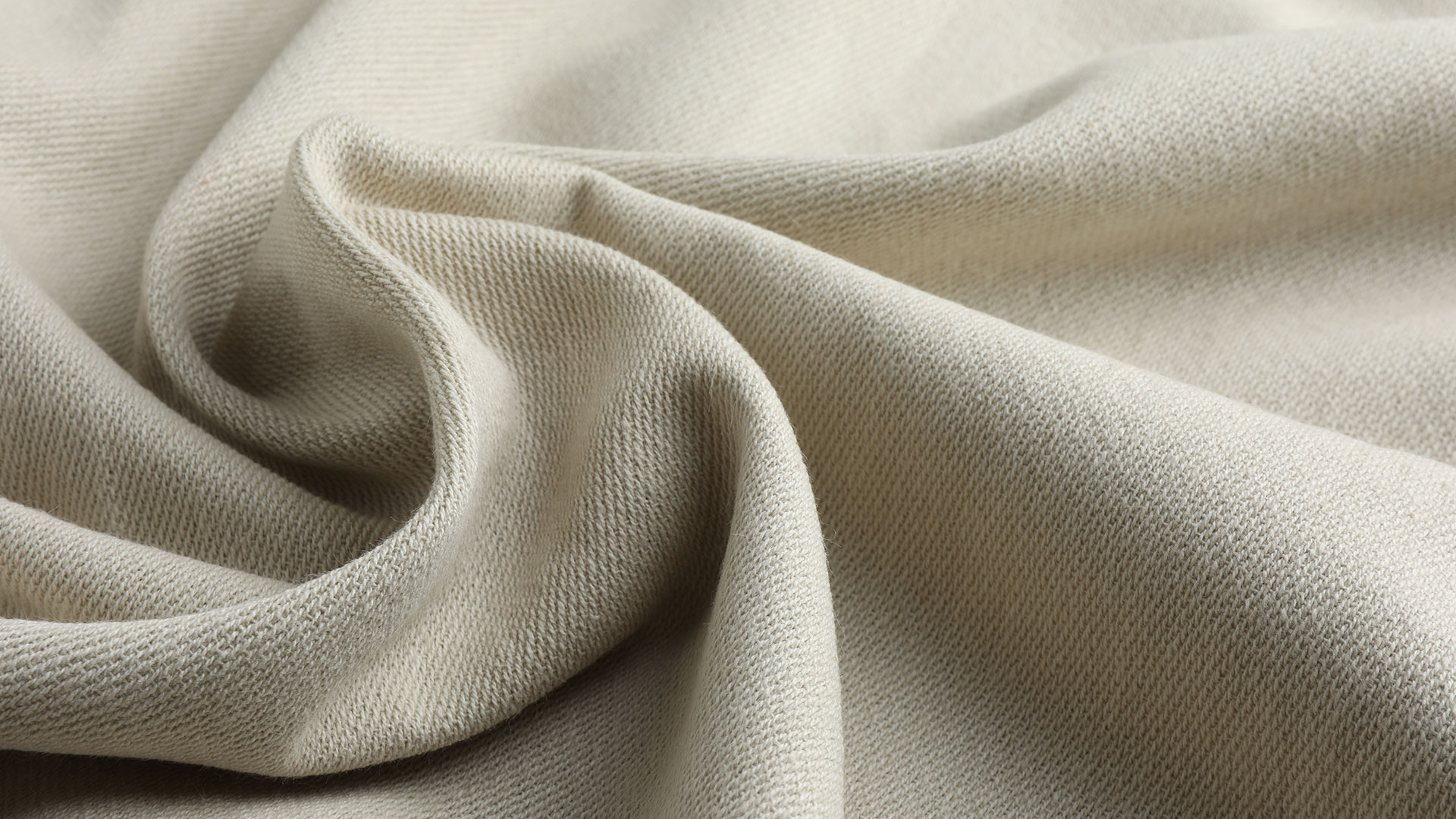
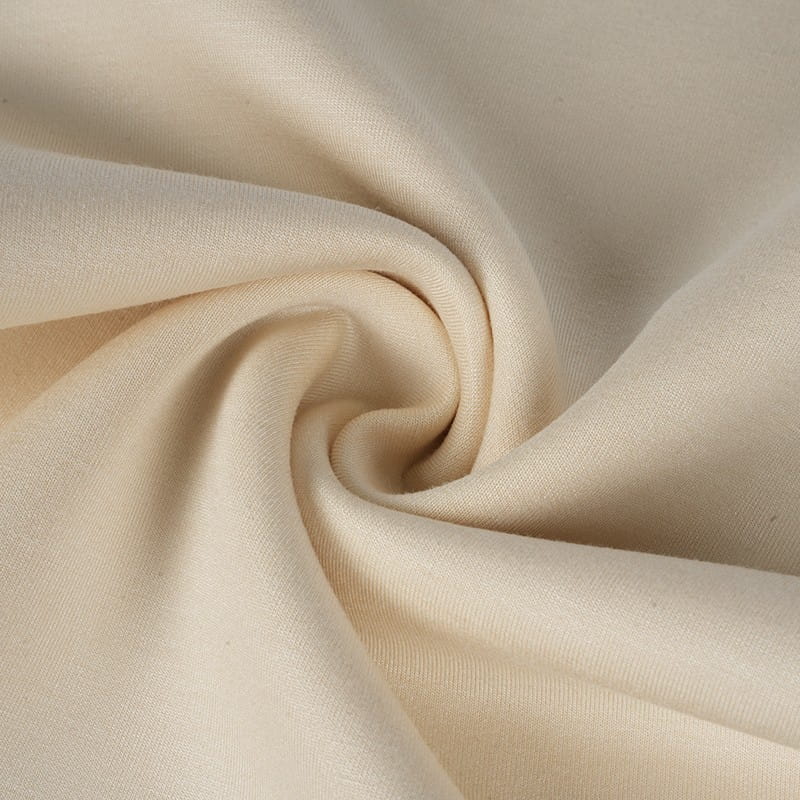
Polyester and viscose are combined so each surface of the structure carries a defined job. Polyester contributes durability, wrinkle resistance and shape retention; viscose softens the hand and adds natural drape. The air-layer build gives the fabric thickness and dimension, so it reads plump and supportive rather than thin, while staying comfortable against the body.
How the Air-Layer Structure Behaves on the Cutting Table
Air-layer knitting links two knitted surfaces through a spacer or tuck structure, so volume comes from the construction rather than from heavy yarn counts. The face is smooth and refined, the back is stable, and the cloth keeps a three-dimensional silhouette instead of collapsing or clinging. For garment developers this means a fabric that photographs as substantial and behaves predictably through cutting, sewing and pressing.
- Two-surface build: refined face and stable back, giving freedom in lining and finishing choices.
- Structure-led thickness: dimensional appearance without a heavy fabric weight.
- Crisp-and-soft balance: shape memory from polyester, movement and fall from viscose.
- Panel behaviour: stable enough for jackets, trousers and set-based cut-and-sew.
Our Air-Layer Range and Where Each Variant Fits
The air-layer line is built around different fibre pairings, each aimed at a distinct hand, drape and price point. The polyester-viscose variant is the balanced option: structured, soft and visually substantial.
| Fabric variant |
Fibre logic |
Hand and structure |
Typical programmes |
| Polyester-Viscose Air-Layer Knit Fabric |
Polyester for body and recovery, viscose for softness |
Plump, crisp-soft, structured drape |
Jackets, wide-leg trousers, commuter pants, hoodie sets |
| Tencel-Modal Air-Layer Knit Fabric |
Regenerated cellulose fibres, stretch option available |
Fluid, cool, soft with a lighter body |
Drape-led tops, soft tailoring, premium loungewear |
| Polyester-Tencel Air-Layer Knit Fabric |
Polyester strength with a cellulose face |
Clean surface, controlled drape |
Structured dresses, skirts, relaxed suiting |
| Slub Air-Layer Knit Fabric |
Slub yarns for irregular surface interest |
Textured, natural, matte appearance |
Casual tops, knit sets, seasonal fashion |
| Polyester-Spandex Air-Layer Knit Fabric |
Elastane added for recovery and fit |
Stretch with bounce-back and a closer fit |
Fitted trousers, active-casual, body-conscious sets |
The complete Air-Layer Fabric family groups these five variants, and the wider mill range continues through Ponte Roma, double-knit interlock, rib, single jersey, pique, waffle, terry cloth, crepe, fleece and mesh. Programmes that need a compact interlock hand or a firmer rib trim for the same garment can be developed in parallel so trims and shells dye and finish consistently.
Application Fit Across Apparel Programmes
This fabric suits garments where the shape has to survive wear and washing without losing softness. It is a first fit for structured casualwear and commuter dressing, and it also works where a compact, opaque knit is needed.
- Jackets and overshirts: the front panel keeps a three-dimensional shape without collapsing.
- Wide-leg and commuter trousers: enough weight to fall cleanly, enough give to sit comfortably.
- Hoodie sets and casual separates: dimensional surface, soft interior feel.
- Home textiles and garment accessories: stable knit options for coordinated programmes.
Specification Variables We Confirm Before Knitting
Every order is pinned to a written specification so the sample, the bulk lot and the re-order follow the same reference.
| Parameter |
What we confirm |
Effect on the garment |
| Composition ratio |
Polyester and viscose share, with elastane where required |
Balance of recovery, softness and cost |
| Weight |
Target weight per square metre |
Warmth, opacity, drape and cutting yield |
| Width and form |
Open width or tubular, within an agreed tolerance |
Marker efficiency and shrinkage allowance |
| Surface finish |
Smooth, compacted, peach or brushed hand |
Touch, appearance and season positioning |
| Colour and fastness |
Colour standard plus fastness requirements |
Lot-to-lot matching and repeat consistency |
| Roll and packing format |
Roll length, labelling and packing instruction |
Warehouse handling and cutting-room workflow |
Customization, Sampling and Repeat Orders
We provide ODM and OEM customization for buyers who are developing their own colour cards, weights and finishes. Development usually starts with sample yardage for approval, then moves to bulk once the reference is signed off, with small-batch sampling and quick re-orders supported by our Keqiao base. Composition ratio, hand feel, weight, width and colour can all be adjusted within what the air-layer construction allows.
Quality Control, Certification and Acceptance
Quality management runs through the whole order rather than sitting only at the end. Inspection follows each process, and finished fabric goes through final inspection against the customer's requirements and international standards, supported by our laboratory and its testing equipment. OEKO-TEX certified fabric options are available for programmes that require documented restricted-substance compliance.
- Incoming yarn and raw material checks before knitting.
- In-process inspection after knitting, dyeing and finishing.
- Final roll inspection with shade, width, weight and appearance records.
- Test reports issued with the shipment where the order requires them.
Information We Use to Configure Your Solution
We prepare the fabric proposal from the working point of the garment, so the more the following is defined, the closer the first sample lands to the target:
- End product and construction: jacket, trouser, set or accessory.
- Composition target or restriction, including elastane needs.
- Target weight per square metre and required width.
- Stretch, recovery and opacity requirements.
- Colour standard, colourways and fastness expectations.
- Quantity per colour, order phasing and re-order intention.
- Packing, labelling and shipping-mark instructions.
- Any market compliance or testing documentation needed.
Delivery, Documentation and Ongoing Support
Fabric is supplied by the roll in the packing format agreed at order confirmation, with roll labels and shipping marks prepared to the buyer's instruction. Order documentation follows the signed specification so the cutting room, the merchandiser and the next re-order all work from the same reference. Sampling records, shade references and inspection notes are kept on file to make repeat production quicker to confirm.
Frequently Asked Questions
What is polyester-viscose air-layer knit fabric used for?
It is used mainly for jackets, casual and wide-leg trousers, commuter-style pants, hoodie sets and structured casual separates. The combination of polyester shape retention and viscose drape gives garments a body that holds its line without feeling stiff.
Can you develop the fabric to our own composition and weight?
Yes. We handle ODM and OEM development, adjusting composition ratio, weight, width, surface finish and colour within the limits of the air-layer construction. Development normally begins with sample yardage so the hand and appearance can be approved before bulk production.
How do you control quality during production?
Inspection takes place after each process, and finished fabric receives a final inspection against the customer's requirements and international standards. Our laboratory is equipped with testing equipment, so shade, weight, width and appearance can be checked in-house before rolls are packed.
Do you offer OEKO-TEX certified fabric options?
OEKO-TEX certified options are available for programmes that need restricted-substance documentation. The relevant certificate scope is confirmed together with the article and the order specification.
What do you need from us to quote?
Send the composition target, weight, width, colour standard, quantity per colour, packing instruction and any testing requirements. With those points defined we can propose a construction, confirm sampling steps and prepare the quotation against a fixed reference.
Where are you located, and how fast do you reply?
Our mill and sales office are in Keqiao District, Shaoxing, Zhejiang, next to China Textile City. Weekday enquiries are answered within 12 hours, so development conversations and re-order confirmations move without long pauses.